Why Nitromors Doesn’t Work Like It Used To
If you remember old paint stripper biting hard, blistering fast and cutting through layer after layer of old coatings, you are not imagining it. The chemistry really did change.
Older solvent-heavy paint strippers were built around very different active ingredients from many of the retail products sold today.
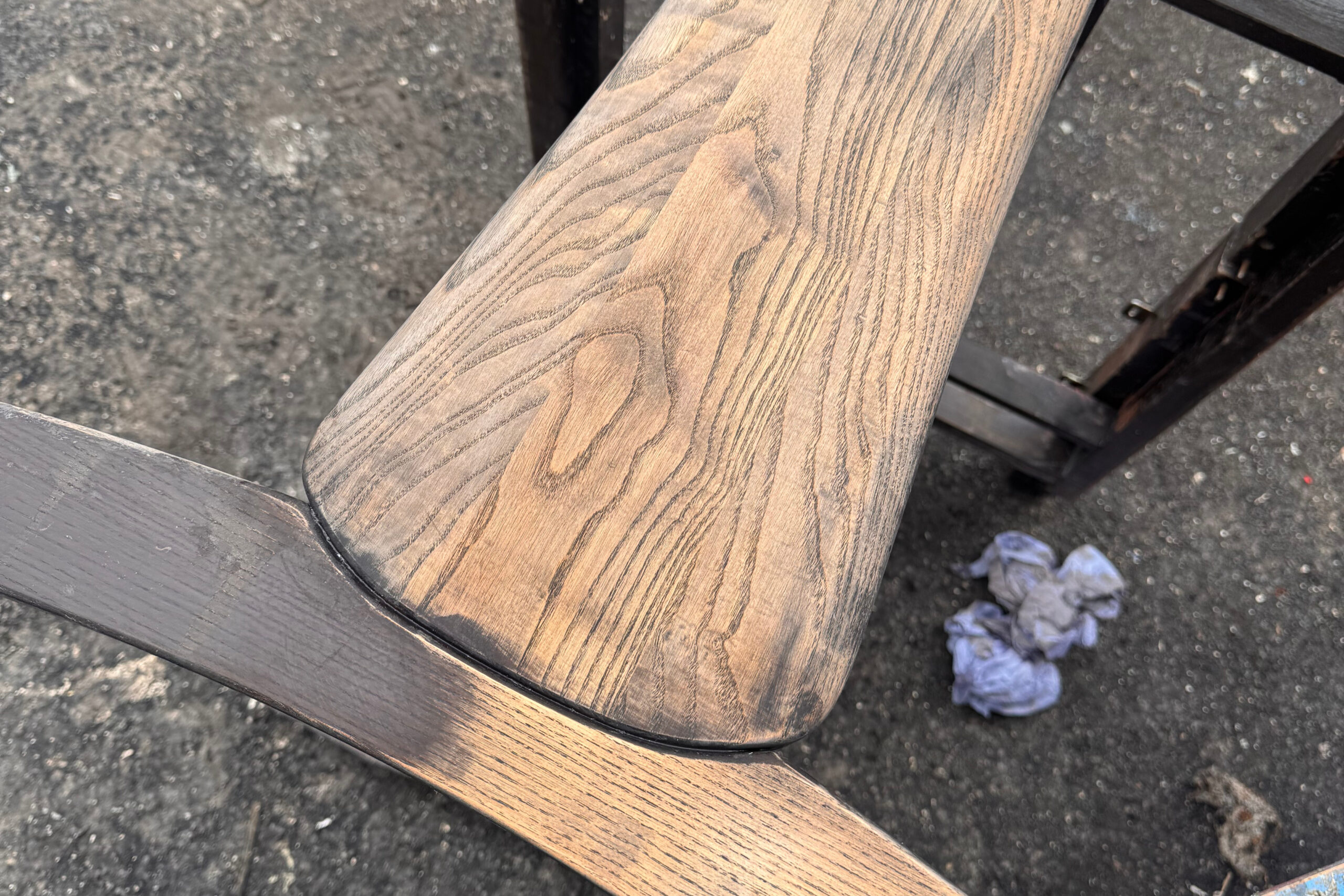
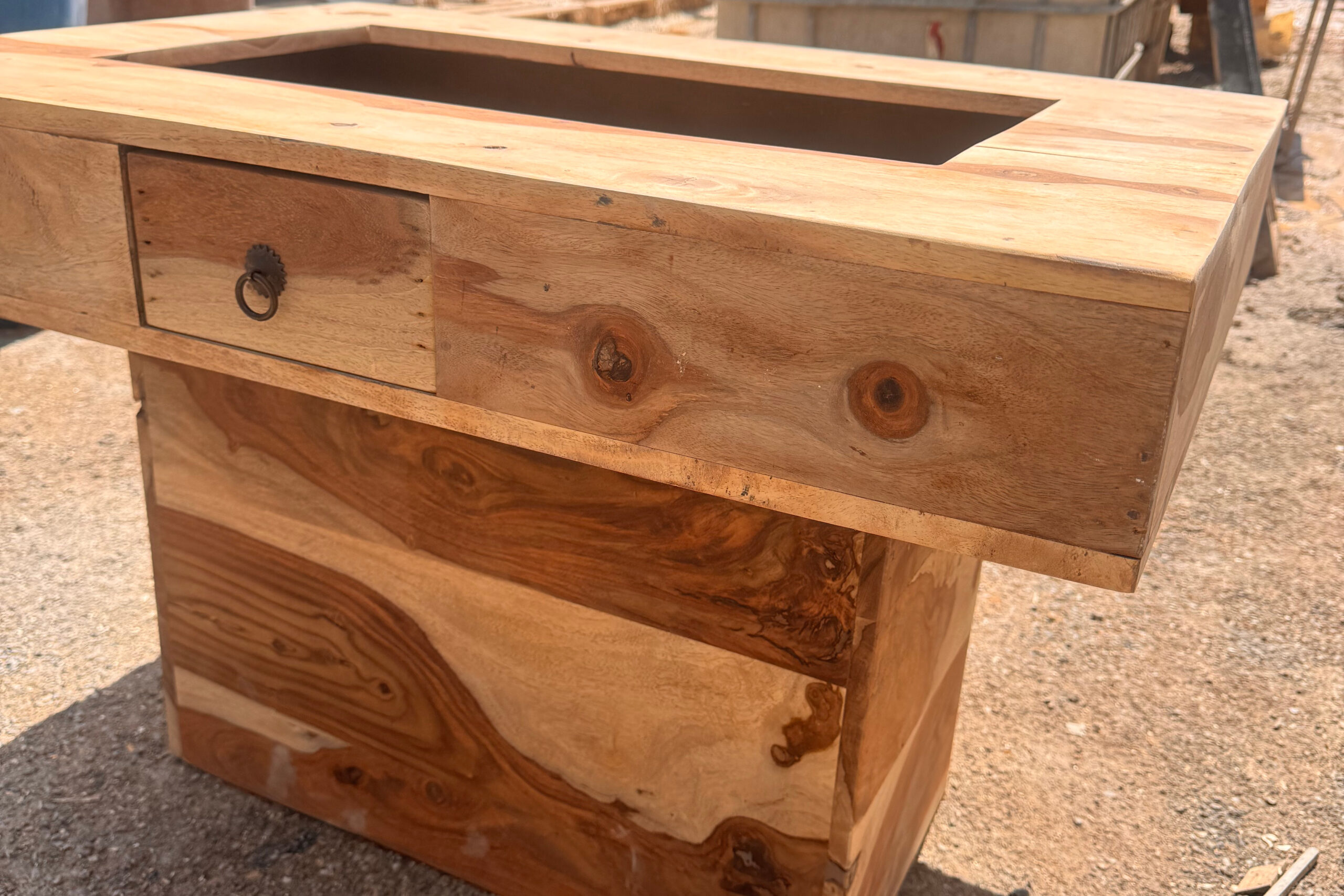
The product people remember is not the product on the shelf today
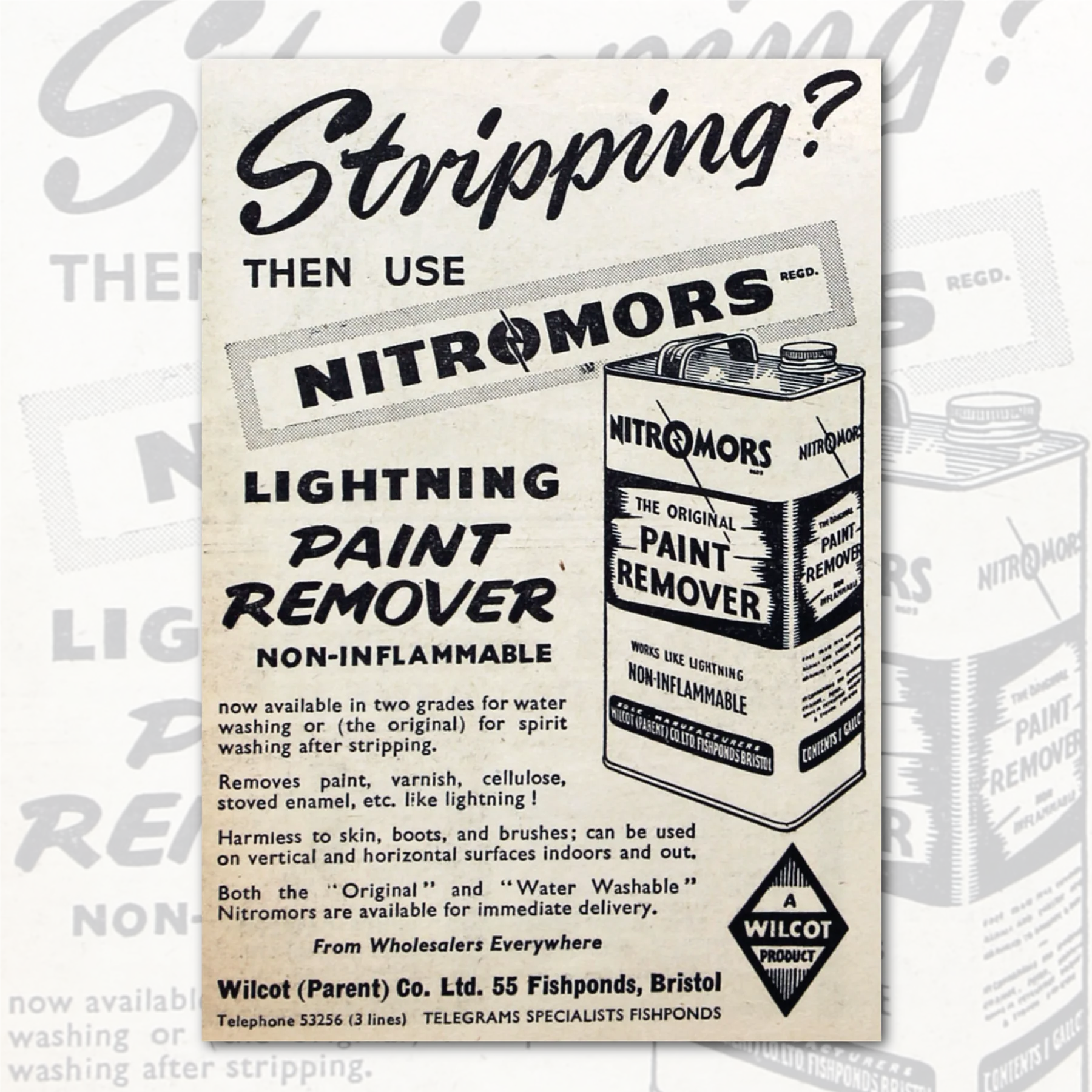
For anyone who has been stripping paint for more than a few years, the name Nitromors will probably bring back memories of a product that used to bite hard, blister fast and shift layer after layer of old coatings with far less effort than many of today’s off-the-shelf alternatives.
That is not nostalgia talking. The chemistry really did change.
Older Nitromors formulations were built around dichloromethane, also known as methylene chloride, as the main active solvent, typically at very high concentrations, with methanol also present.
A 2000 safety data sheet for Nitromors All Purpose Paint & Varnish Remover listed methylene chloride at 80–90% and methanol at 10–20%. Those older solvent-heavy formulas were extremely aggressive, which is why so many decorators, restorers and joiners remember them as being dramatically more effective than the retail products sold today.
So what happened?
The short answer is regulation.
The old formulas were not changed because they had stopped working. They were changed because dichloromethane carries serious health risks and became heavily restricted for consumer and general professional use.
The regulation changed the market
In 2010, the EU formally restricted paint strippers containing dichloromethane at 0.1% or more by weight.
The timetable was phased: these products could no longer be placed on the market for first supply to the public or professionals after 6 December 2010, could no longer be supplied to the public or professionals after 6 December 2011, and could no longer be used by professionals after 6 June 2012, unless a country adopted a specific derogation system.
Those restrictions were not introduced because the products had stopped working. They were introduced because dichloromethane carries serious health risks.
The HSE still says DCM work must be controlled under COSHH, and its current guidance is specifically aimed at tightly controlled industrial and professional environments.
The old formula vs the modern formula
The contrast is pretty stark.
Older Nitromors
Main chemistry: dichloromethane / methylene chloride and methanol.
Behaviour: fast, aggressive and deep-acting on many traditional paints and varnishes.
Result: remembered by decorators, joiners and restorers as dramatically more effective on heavy old coatings.
Modern retail strippers
Main chemistry: different solvent systems, depending on the product.
Behaviour: often slower, less penetrating and more dependent on dwell time and repeated applications.
Result: can disappoint on thick gloss, old varnish, complex mouldings and stubborn coatings.
Modern Nitromors products are built around very different chemistry. A 2024 SDS for Nitromors All Purpose Paint Remover lists benzyl alcohol at 40–80% and formic acid at roughly 1–2%.
A 2023 SDS for Nitromors Original Paint Stripper shows a solvent blend including ethyl acetate, methanol, paraffin/hydrocarbon waxes, dioctyl sodium sulfosuccinate, diethanolamine and other components, but not dichloromethane.
That does not automatically make the newer products “bad.” It does mean they behave differently.
Why retail paint strippers now disappoint so many people
A lot of retail paint stripper marketing still leans on phrases like “fast acting,” “powerful,” or “works like lightning.” Nitromors itself still describes its products in those terms.
But the reality is that the chemistry available to the general market is now much more constrained than it once was.
That matters because paint stripping is not one single job. Removing one coat of relatively modern water-based paint from a flat panel is completely different from removing:
What the law actually allows now
This is where the subject often gets oversimplified online.
People sometimes say “DCM was banned” as if it disappeared completely. That is not really accurate. The law restricted it very heavily, especially for consumer and general professional use, but it still allowed use in industrial installations subject to strict conditions such as effective ventilation, safe transfer systems, measures to minimise evaporation, PPE and training.
In the UK, later regulations created a route for trained, competent professionals to use DCM-based paint strippers lawfully, provided the regulatory conditions are met.
The UK government’s 2014 amendment was specifically intended to allow supply to professionals who meet the scheme requirements, and HSE later set out a competency and certification framework.
Why professional stripping still gets better results
At Yorkshire Paint Stripping, this is exactly where experience and proper setup make the difference.
DIY products sold off the shelf have to be formulated for the consumer market and packaged for broad retail sale. That inevitably limits what can go into them and how aggressively they can perform.
A specialist stripping business is different. Professional workshops can combine:
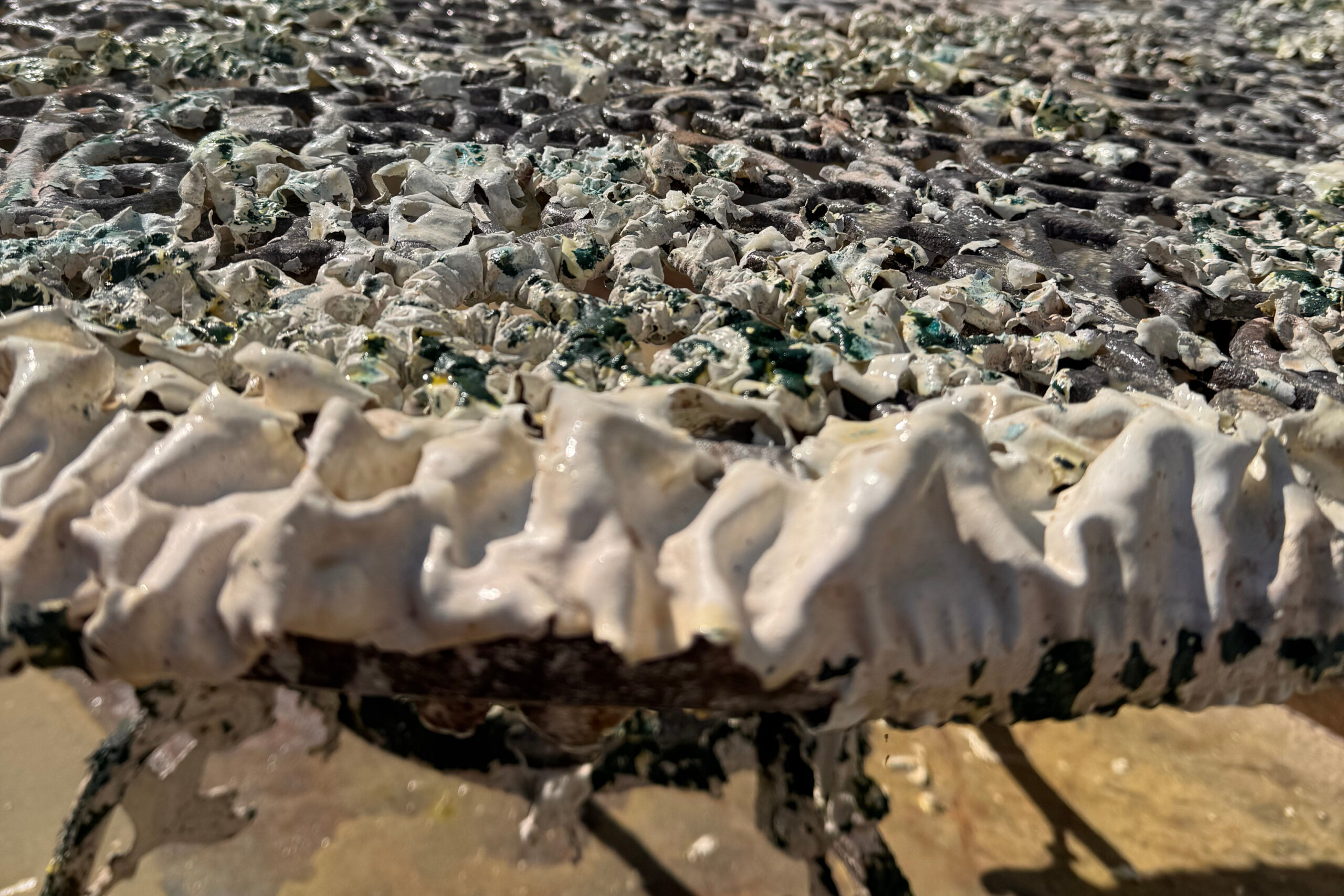
That is why a professional job can still remove coatings that home users have spent days attacking with heat guns, scrapers, sanders and multiple tins of modern stripper.
“Safer” does not always mean “better for the job”
One of the ironies of modern paint stripping regulation is that when very effective chemical stripping becomes harder to access, people often fall back on alternatives such as aggressive sanding, grinding, burning off or excessive heat.
On some jobs, especially older joinery, that can damage profiles, raise grain, smear old finishes deeper into timber or create other health risks.
The UK government’s own impact assessment on DCM restrictions acknowledged that DCM-based strippers were particularly effective on durable coatings and that one objective was to avoid pushing some users toward potentially hazardous alternatives such as grinding or burning leaded paint.
Why customers still come to specialists
When customers bring us doors, furniture, gates, architectural joinery or detailed timberwork, it is usually after they have already discovered the same thing:
And that is why specialist paint stripping still matters.
We understand the chemistry. We understand the regulations. And crucially, we know how to get results using professional methods and products that are appropriate for the job.
Stripping paint properly is not just about buying a tin from a DIY aisle. It is about using the right process, in the right setting, by people who know what they are doing.
Need help removing stubborn paint properly?
If you have a door, piece of furniture, gate or timber feature that modern off-the-shelf stripper will not touch, get in touch with Yorkshire Paint Stripping.
We deal with the jobs that retail products struggle with every day — using the right knowledge, the right setup and chemicals that still actually work.
Yorkshire Paint Stripping
Professional paint stripping for doors, furniture, metalwork and restoration projects.
Phone:
01482 811412
Email:
web@doorstrippingyorkshire.co.uk