Restoring the Doors of Leeds Town Hall
There are big door stripping jobs — and then there are projects like Leeds Town Hall.
Yorkshire Paint Stripping was enlisted to work on around 180 historic doors from this iconic Grade I listed building, carrying out professional paint stripping, careful sanding and preparation to respect the original craftsmanship, over a period of six months meeting the main contractors KPIs.
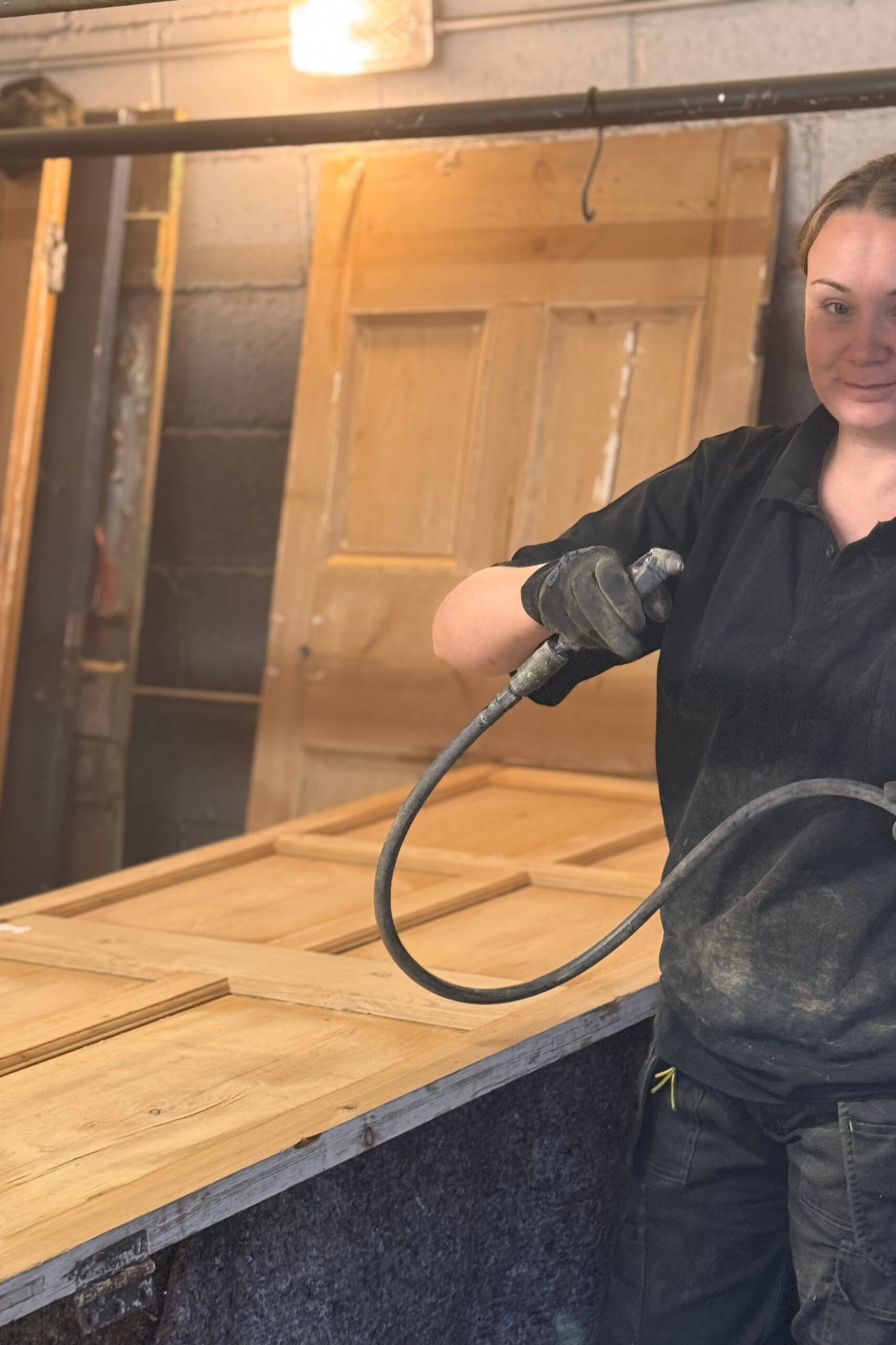
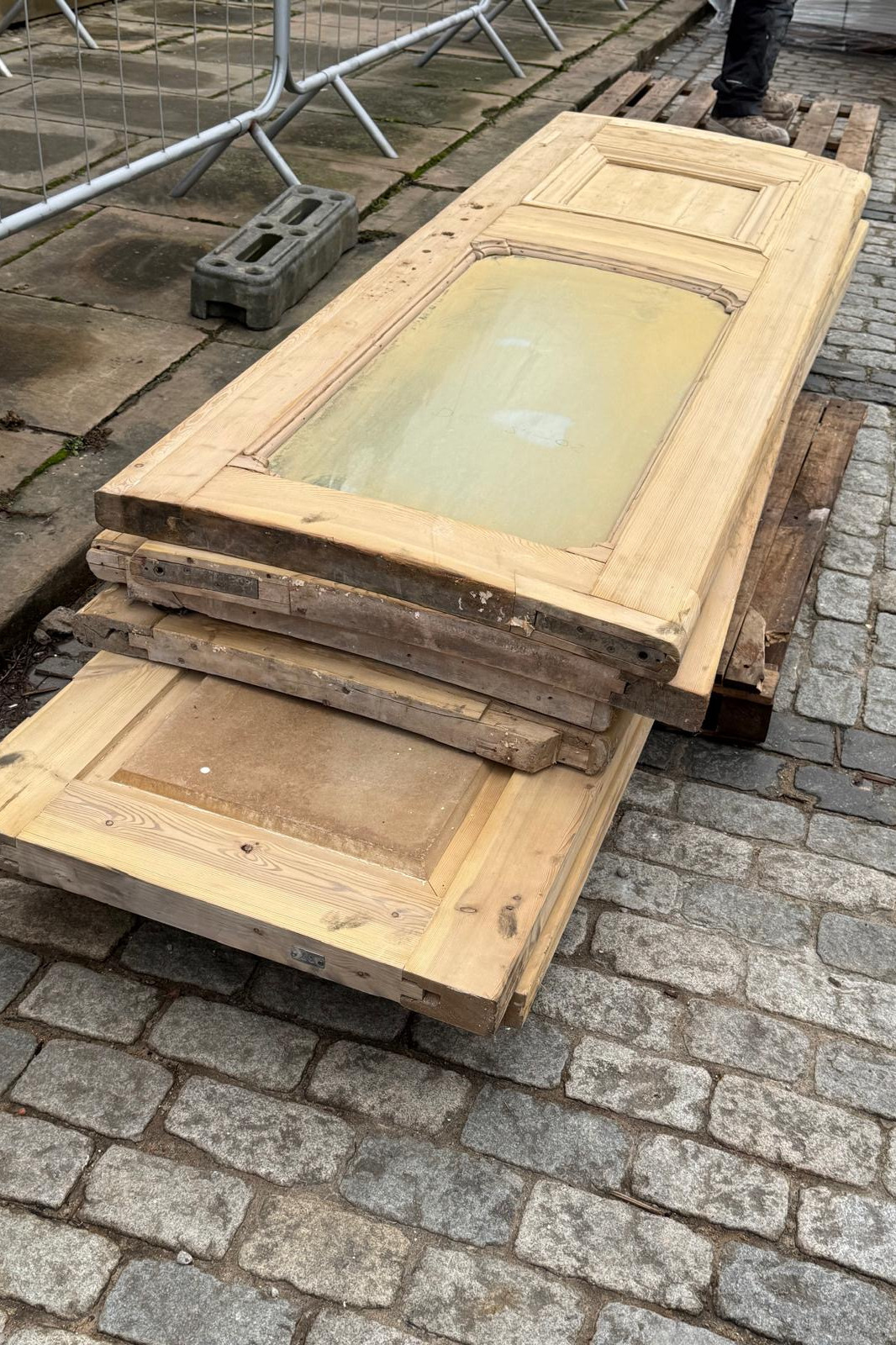
Heritage craftsmanship, modern process and period detail done properly
Leeds Town Hall is one of Yorkshire’s most recognisable civic buildings. Being trusted with historic doors from a building of that importance is not ordinary workshop work.
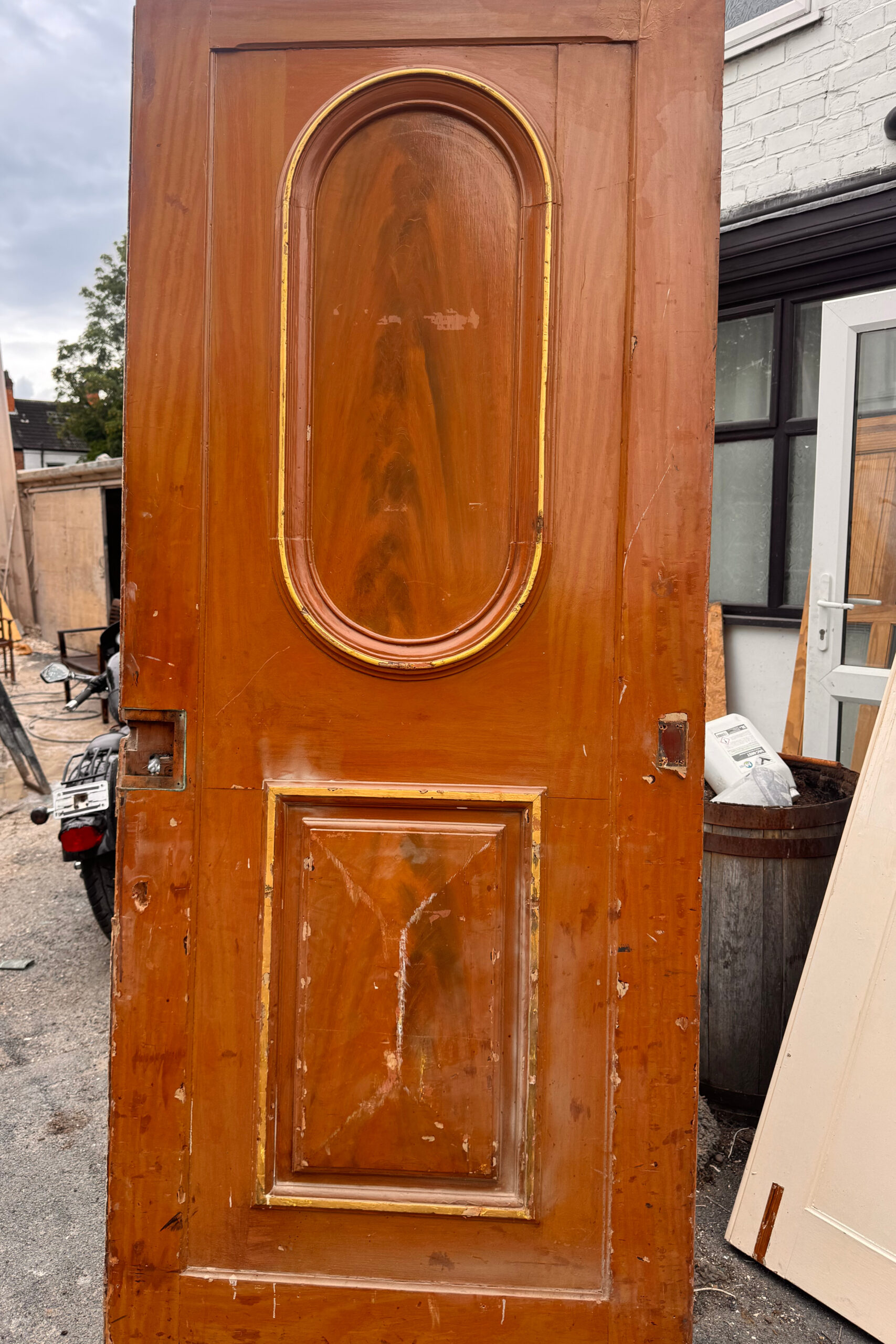
Our role focused on removing old coatings, carefully sanding the timber and preparing the doors for the next stages of the conservation programme.
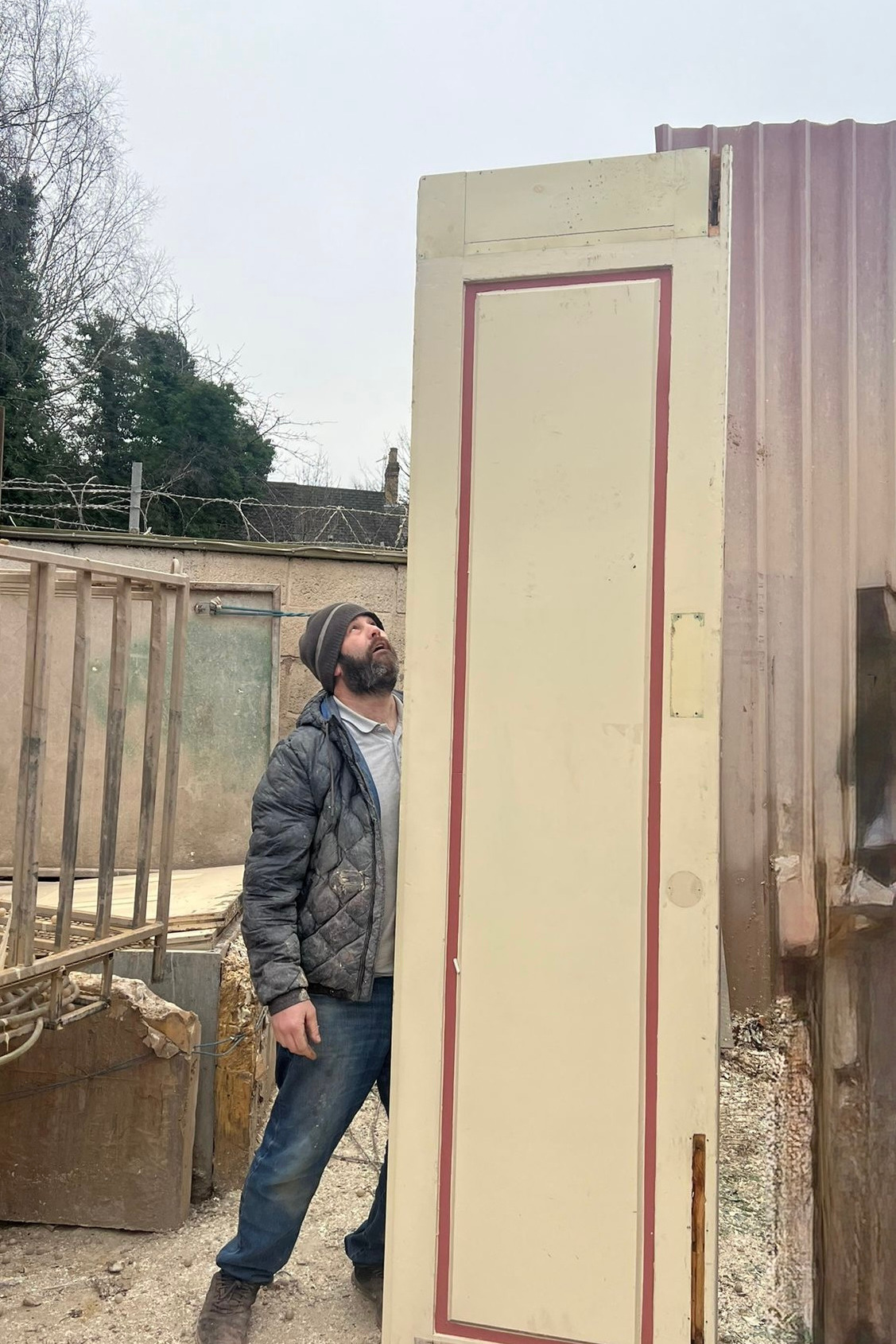
These were not small modern doors. The set included large solid oak and pine doors, some around 10ft high and weighing approximately 120kg each, with transport forming an important part of the job.
A landmark building with serious history
Leeds Town Hall was designed by architect Cuthbert Brodrick and built between 1853 and 1858. It was famously opened by Queen Victoria in September 1858.
The building was created as a major civic statement — often described as a municipal palace — and remains one of the most important landmarks in Leeds.
Today, Leeds Town Hall is undergoing major refurbishment works aimed at protecting heritage features while improving the building for future use.
Why doors matter on a building like this
On a Grade I listed building, doors are not just doors. They are part of the building’s historic fabric, appearance and design intent.
Original or historic doors can show the quality of joinery, the proportions of the building, the period style and the craftsmanship that went into the original scheme.
That means restoration work has to preserve as much character as possible. Edges, mouldings, panels, rails, stiles and construction details all matter.
Our role: stripping and sanding the right way
For this project, our work focused on stripping back coatings, removing paint build-up and preparing the timber carefully for the next stage.
Controlled sanding was just as important as the stripping itself. Historic doors must not be aggressively sanded to the point where crisp details, edges or profiles are lost.
When you restore historic doors properly, you are not chasing a flat, overworked surface. You are preserving the evidence of original craftsmanship while creating a sound base for finishing.
Working alongside Trinity Renovations
This work was delivered in collaboration with Trinity Renovations, a specialist conservation contractor with experience across listed buildings, heritage joinery, windows, masonry and glazing.
On buildings like Leeds Town Hall, conservation is not casual. It is specification-led, documented, inspected and expected to meet the standard required for the building.
Why contractor background matters
Trinity Renovations publicly describes its experience as including work on more than 350 landmark heritage buildings and heritage properties.
Their portfolio includes significant public, ecclesiastical and listed-building projects, including Oldham Town Hall, where internal conservation joinery and furniture restoration formed part of their work.
That kind of background matters because historic buildings are not judged like ordinary refurbishment jobs. Methods, materials, finish and the preservation of original detail all have to be considered.
How previous heritage work led to Leeds Town Hall
We were awarded this project following successful delivery on heritage stripping work at Oldham Old Library, where timber elements were removed, stripped and returned ready for refitting and repainting.
Oldham Old Library on Union Street is itself a major heritage building, originally opened in 1883 and later restored as part of wider civic and cultural regeneration works.
On heritage projects, track record matters. The finish is not just a matter of opinion; it is judged against the conservation requirements of the job.
Heritage-level scrutiny and what that means
People often use “English Heritage” as shorthand for heritage oversight. In practice, the specific bodies and permissions can vary by project.
What is consistent is the standard. Leeds Town Hall is a Grade I listed building on the National Heritage List for England, and works affecting listed-building fabric are tightly controlled through listed-building consent, conservation requirements and relevant heritage consultation where required.
For door restoration, that means the rules are simple but strict.
Why this work matters
Leeds Town Hall was built to be a statement building — and it still is.
Current refurbishment works are about keeping the building usable, accessible and protected while retaining the heritage that makes it special.
Being trusted with part of that process is a responsibility, and we treat it that way.
Need heritage-standard stripping and restoration?
Whether you are a homeowner restoring original doors or a contractor delivering a listed-building programme, we can help with professional stripping, sanding, preparation, collection and delivery.
Yorkshire Paint Stripping
Door stripping, heritage timber preparation and specialist paint removal from our Hull workshop.
Phone:
01482 811412
Email:
web@doorstrippingyorkshire.co.uk