Does Paint Stripping Damage Victorian Door Joints?
Traditional doors from the 18th, 19th and early 20th centuries were engineered objects, not flat-pack assemblies.
One of the most common worries customers have is whether stripping will “dissolve the glue” or cause an old door to fall apart. The truth is more interesting — and far more reassuring.
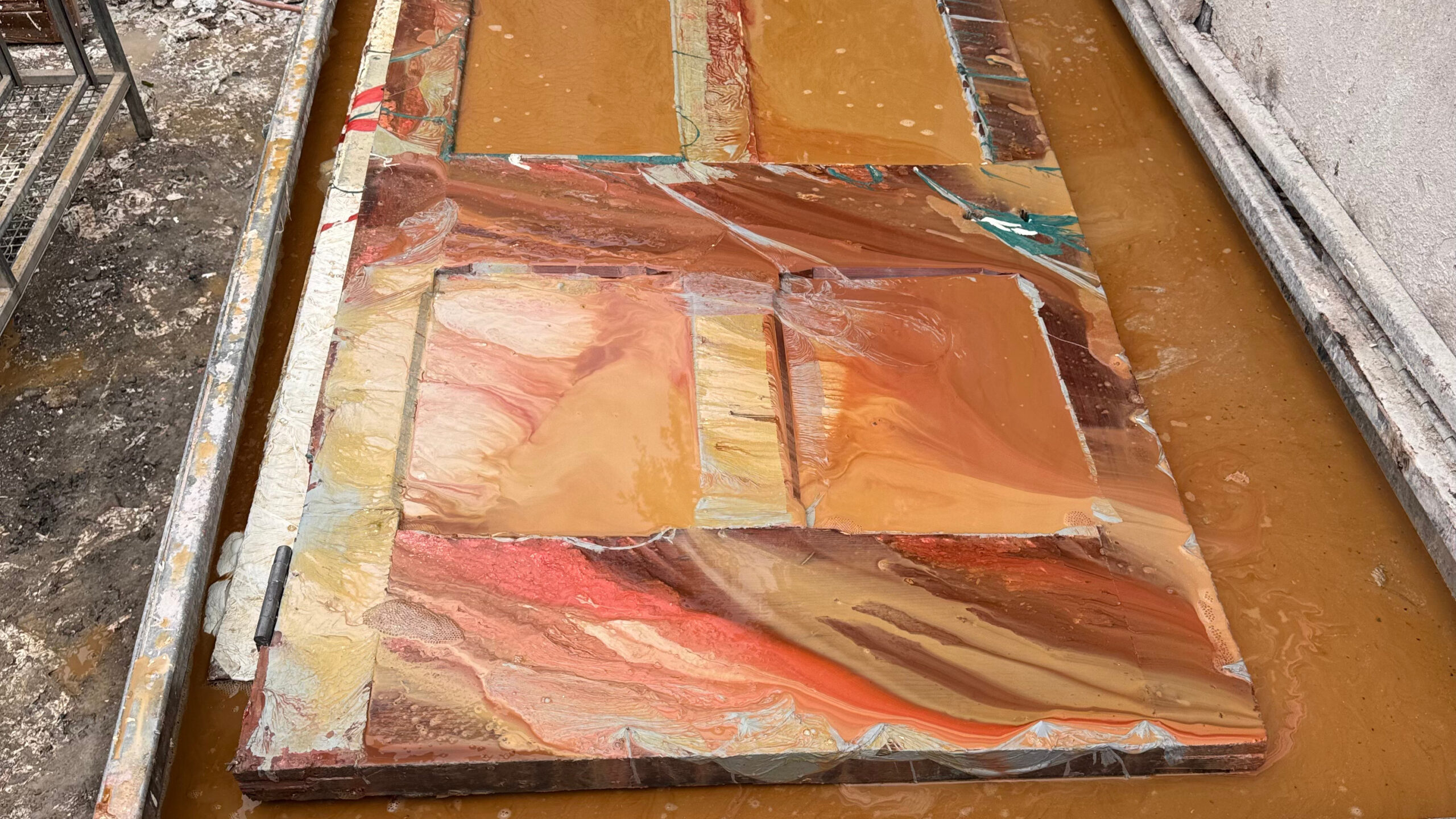
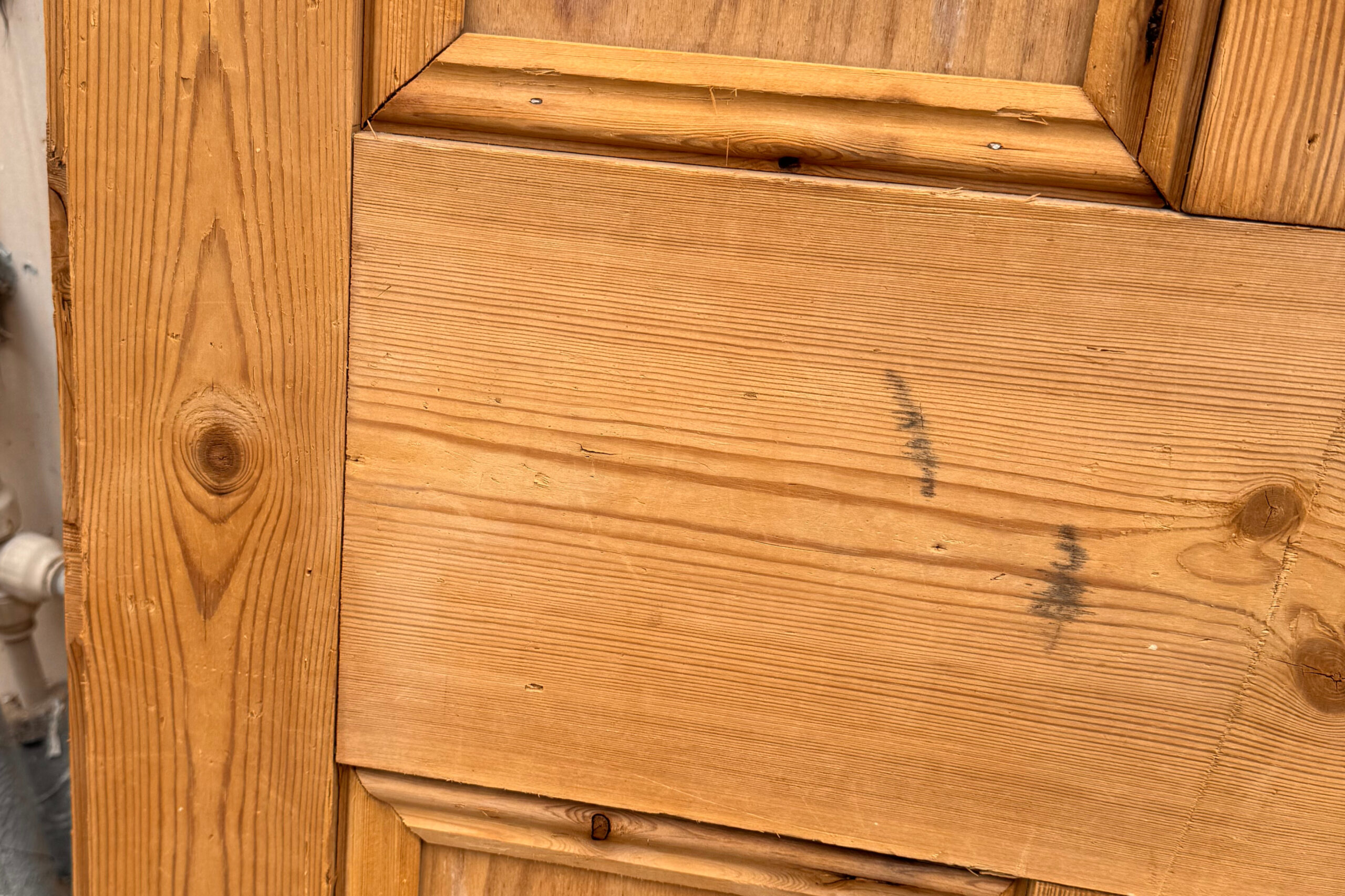
Mechanical joinery — not glue dependency
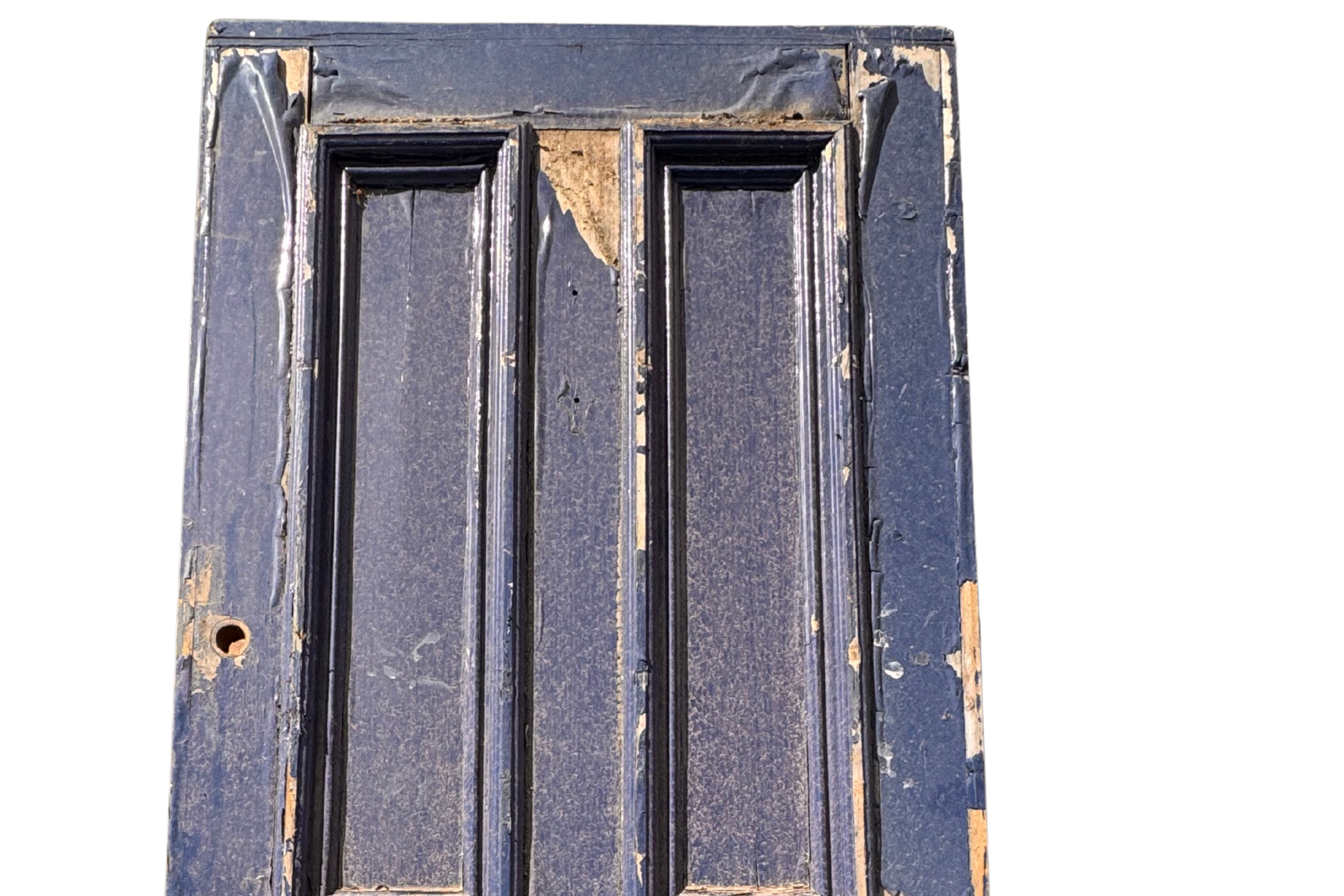
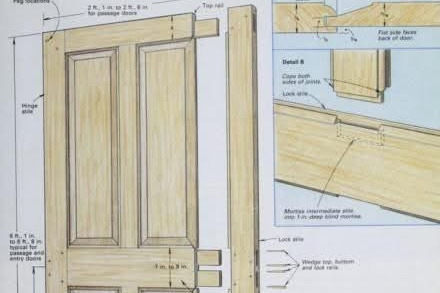
Victorian doors were almost universally constructed using mechanical joinery. The strength of the door comes from wood-to-wood geometry, not adhesive bonding.
Traditional doors commonly used mortise and tenon joints, wedged or fox-wedged tenons, draw-bored pegs, panel grooves and haunched rails.
These joints physically lock the door together. In many cases, a well-made door will hold together even if all adhesive were theoretically removed — because the joint itself is doing the structural work.
What about glue?
Historic animal hide glue
Where glue was used in traditional joinery, it was typically animal hide glue, not modern synthetic adhesives.
Hide glue behaves very differently from modern PVA or polyurethane glues. It is thermoplastic, not chemically reactive. It softens with heat and moisture but does not dissolve like sugar in water.
Once dry, it re-crystallises and regains strength. It is reversible and repairable, which is why it is still used by conservators today.
What modern paint stripping actually does
Paint stripping — whether immersion, caustic, solvent or hand methods — is designed to remove coatings from the surface of the item.
What stripping removes
What stripping does not do
The purpose is to remove coatings, not structure.
Why the “glue dissolves” myth persists
If a door loosens after stripping, it is usually because the joints were already loose before stripping, the door had been poorly repaired later using modern PVA glue, or the timber had suffered historic movement, rot or shrinkage.
Thick layers of paint can artificially hold failing joints together. Paint can act like a crude filler or brace. Removing it does not cause the damage — it reveals it.
Paint stripping reveals condition — it doesn’t create it
This is one of the most important points homeowners miss.
Paint hides failed joints, historic cracks, previous bodges, old fillers and poor DIY repairs.
Stripping exposes the true condition of the timber, which is essential for any proper restoration. Discovering a loose joint after stripping does not mean the process has failed — it means the door now has the chance to be repaired correctly.
Not every door is the same — which is why method matters
No responsible restoration specialist uses a one-size-fits-all approach. That is why we do not automatically caustic strip every door.
Depending on the door’s age, construction, timber species, previous repairs and condition, we may recommend immersion stripping, solvent-based stripping or hand stripping where immersion is not appropriate.
When hand stripping may be selected
Hand stripping is often selected for doors with extensive modern glue repairs, veneered components, fragile historic assemblies, specialist or listed work.
Experience matters
With over 30 years’ experience in paint stripping and timber restoration, we have worked on thousands of period doors, from modest Victorian terraces to listed buildings and heritage properties.
We have seen doors that survived 150+ years of use, doors damaged by poor modern repairs, and doors that were effectively being “held together” by paint alone.
The bottom line
Paint hides problems. Stripping exposes them. Restoration fixes them.
If you are considering stripping a period door and want an honest assessment of what is suitable — immersion or hand stripping — professional experience makes all the difference.
Thinking about stripping period doors?
Send photos of both sides of the door, any close-ups of joints, glass, damage or repairs, plus rough measurements and your postcode.
We will advise whether the door is suitable for immersion stripping, hand stripping or another approach.
Yorkshire Paint Stripping
Specialists in door stripping, paint removal and timber restoration across Yorkshire and beyond.
Phone:
01482 811412
Email:
web@doorstrippingyorkshire.co.uk