Original working furniture from one of Hull’s most important surviving fishing vessels, carefully stripped and prepared as part of the preservation of the Arctic Corsair.
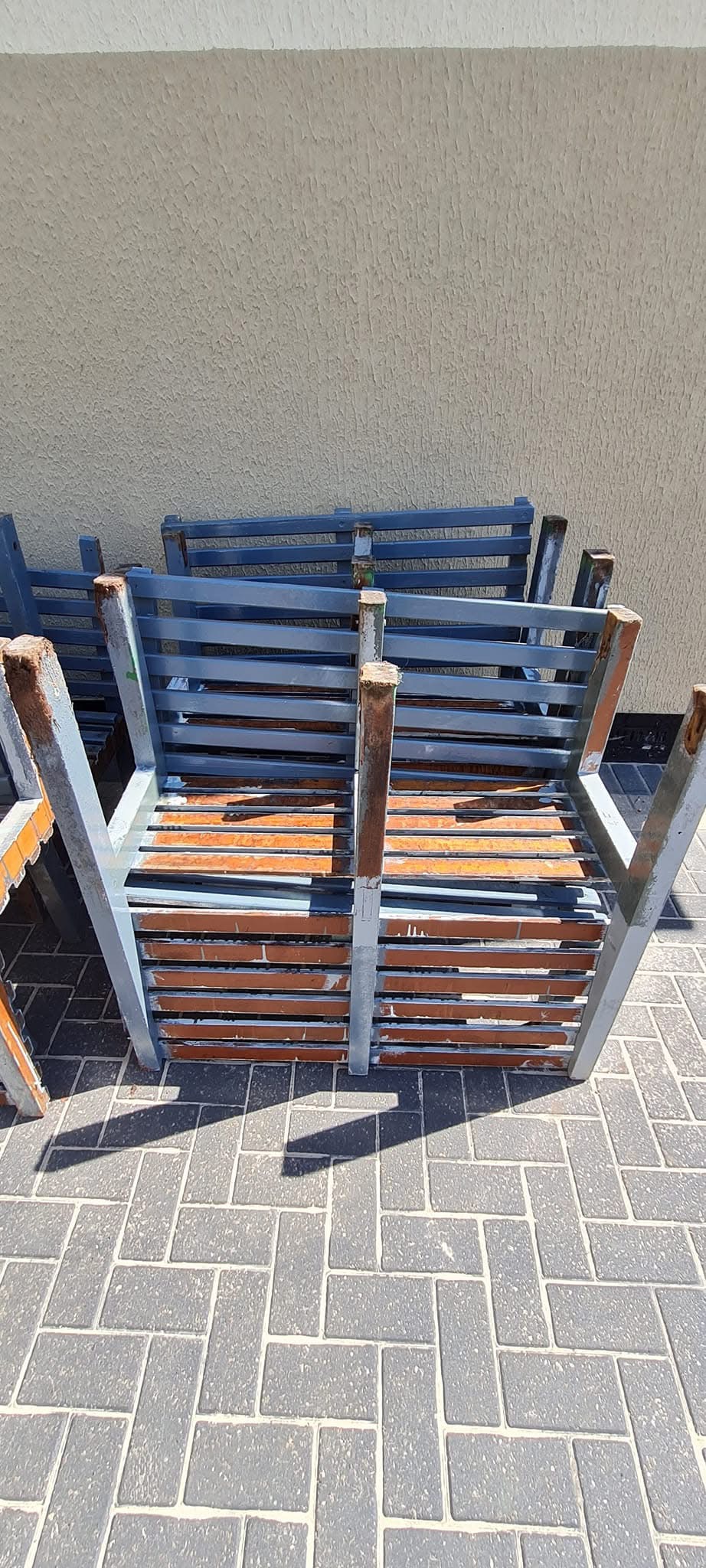
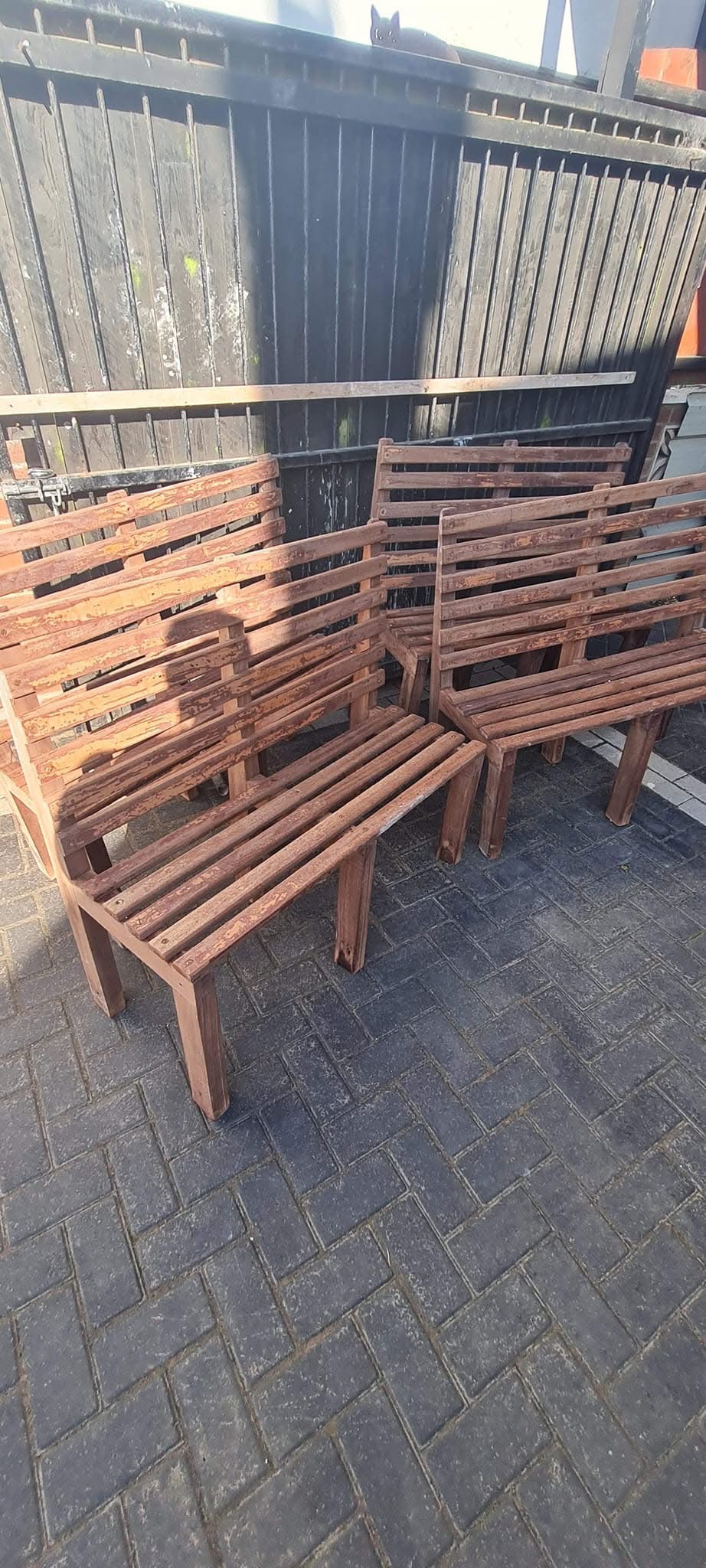
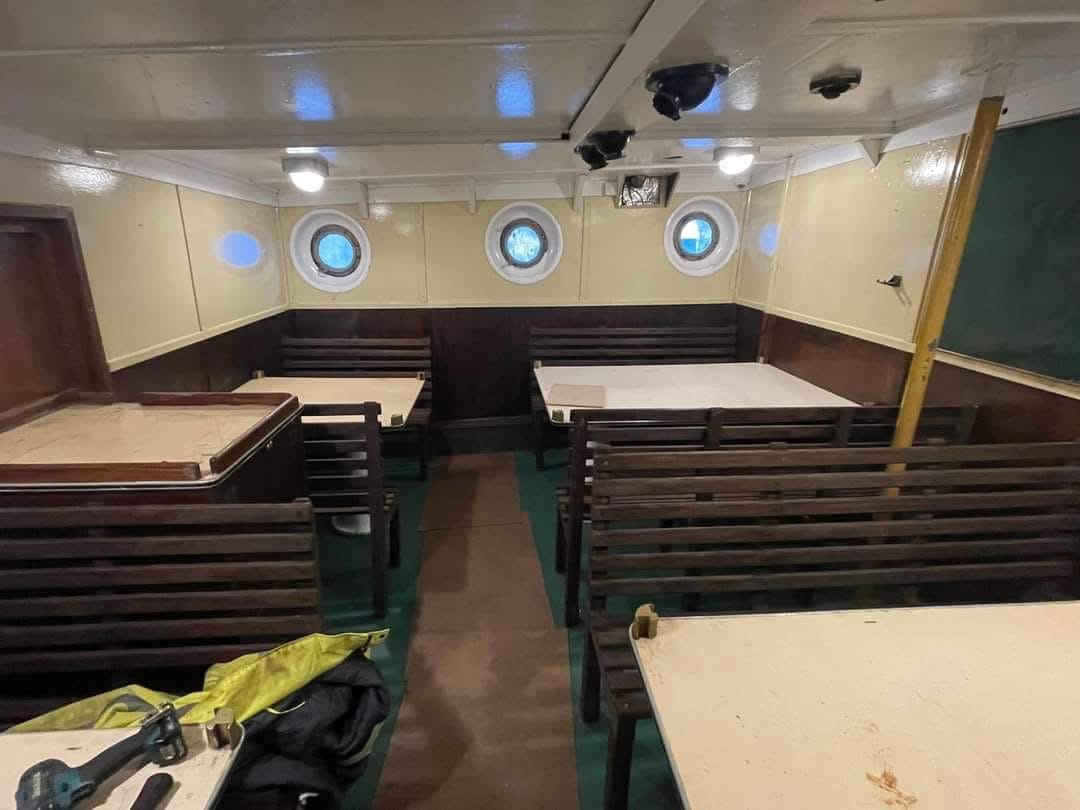
Yorkshire Paint Stripping was entrusted with the restoration of original mess benches from Hull’s famous deep-sea trawler, the Arctic Corsair.
These are not simply pieces of old furniture. They formed part of the everyday working environment aboard one of Hull’s best-known distant-water trawlers and would have been used by generations of fishermen during long voyages far from home.
The mess was one of the few communal spaces aboard the vessel: somewhere crew members could sit, eat, talk and rest between periods of demanding work on deck.
Arctic Corsair was built in Beverley in 1960 for the Boyd Line and became part of Hull’s enormous distant-water fishing fleet.
Her voyages took her thousands of miles from Hull to fishing grounds around Iceland, the White Sea, Bear Island and the Newfoundland Grand Banks.
Crews could spend weeks at sea in extremely difficult conditions, working around the clock to catch, process and preserve fish before returning to Hull.
In 1973 Arctic Corsair achieved a world-record landing for the weight of cod and haddock brought back from the White Sea.
She was also directly involved in the Third Cod War. In 1976 she collided with the Icelandic Coast Guard vessel Óðinn during the dispute over Icelandic fishing limits.
Remarkably, both vessels survived and were later preserved as important pieces of maritime history.
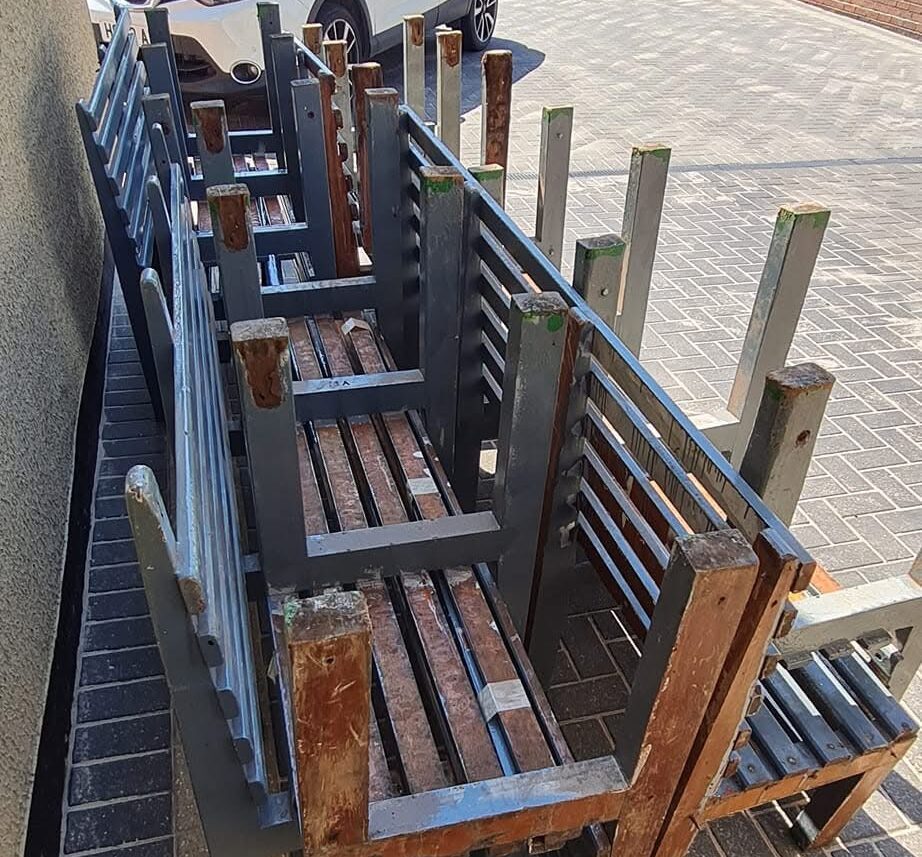
Years of paint and previous coatings had accumulated on the benches, masking the original timber and many of the details of their construction.
Historic working furniture requires a different approach from modern joinery. Excessively aggressive preparation can remove the marks, wear and surface character that help tell the story of the object.
The benches were therefore stripped with the intention of preserving the original material wherever possible and preparing them for the next stage of conservation and eventual return to the Arctic Corsair project.
The benches were inspected to assess their construction, condition and the layers of coating that had accumulated during their working life.
The old coatings were stripped back while taking care not to unnecessarily remove or damage the underlying historic timber.
Following stripping, the timber was thoroughly cleaned and treated as required so that residues from the stripping process were removed.
The timber was allowed to dry thoroughly before being prepared for conservation, finishing and eventual refitting as part of the vessel project.
Wear marks, joints, repairs and surface imperfections are not simply defects. On an object such as this they are evidence of decades of use by the people who worked aboard the vessel.
Retaining the original benches allows visitors to encounter material that genuinely formed part of life aboard Arctic Corsair rather than modern reproductions made to look old.
Arctic Corsair represents an industry that shaped Hull economically, socially and culturally for generations. Objects from the vessel help tell that story at a human scale.
Removing old coatings sympathetically is often the first stage in allowing historic timber or metalwork to be conserved and returned to useful life.
Once stripped and prepared, the original construction and character of the benches could once again be appreciated rather than being hidden beneath generations of paint.
After extensive restoration, Arctic Corsair made her final journey to the historic North End Shipyard in August 2026, where she is now installed in a permanent dry berth.
The vessel forms an important part of the wider Hull Maritime programme, together with the restoration of the Spurn Lightship, Hull Maritime Museum and the redevelopment of North End Shipyard.
The programme is principally supported by Hull City Council and The National Lottery Heritage Fund, alongside other grants, partners and supporters.
Work is continuing on the visitor facilities, interpretation and access around Arctic Corsair, with the new attraction expected to open to visitors in spring 2027.
Yorkshire Paint Stripping has worked on doors, furniture, architectural timber and metalwork across Yorkshire for more than three decades.
Previous projects include work at Leeds Town Hall, heritage buildings, churches, schools, doctors’ surgeries and other public buildings, alongside domestic restoration work throughout the region.
Where original material can be retained, specialist stripping often allows historic timber or metalwork to remain in service rather than being discarded and replaced.
That approach is particularly important on heritage projects where the original material itself forms part of the history of the object or building.
We strip and restore doors, furniture, architectural joinery and metalwork for domestic, commercial and heritage projects throughout Yorkshire and the surrounding areas.