We specialise in stripping painted and varnished wooden doors, from old pine internal doors to exterior doors, period panel doors, reclaimed doors and full-house restoration projects.
Whether you are renovating one door or every door in a property, we can strip the old finish, advise on drying and aftercare, and carry out small repairs where needed.
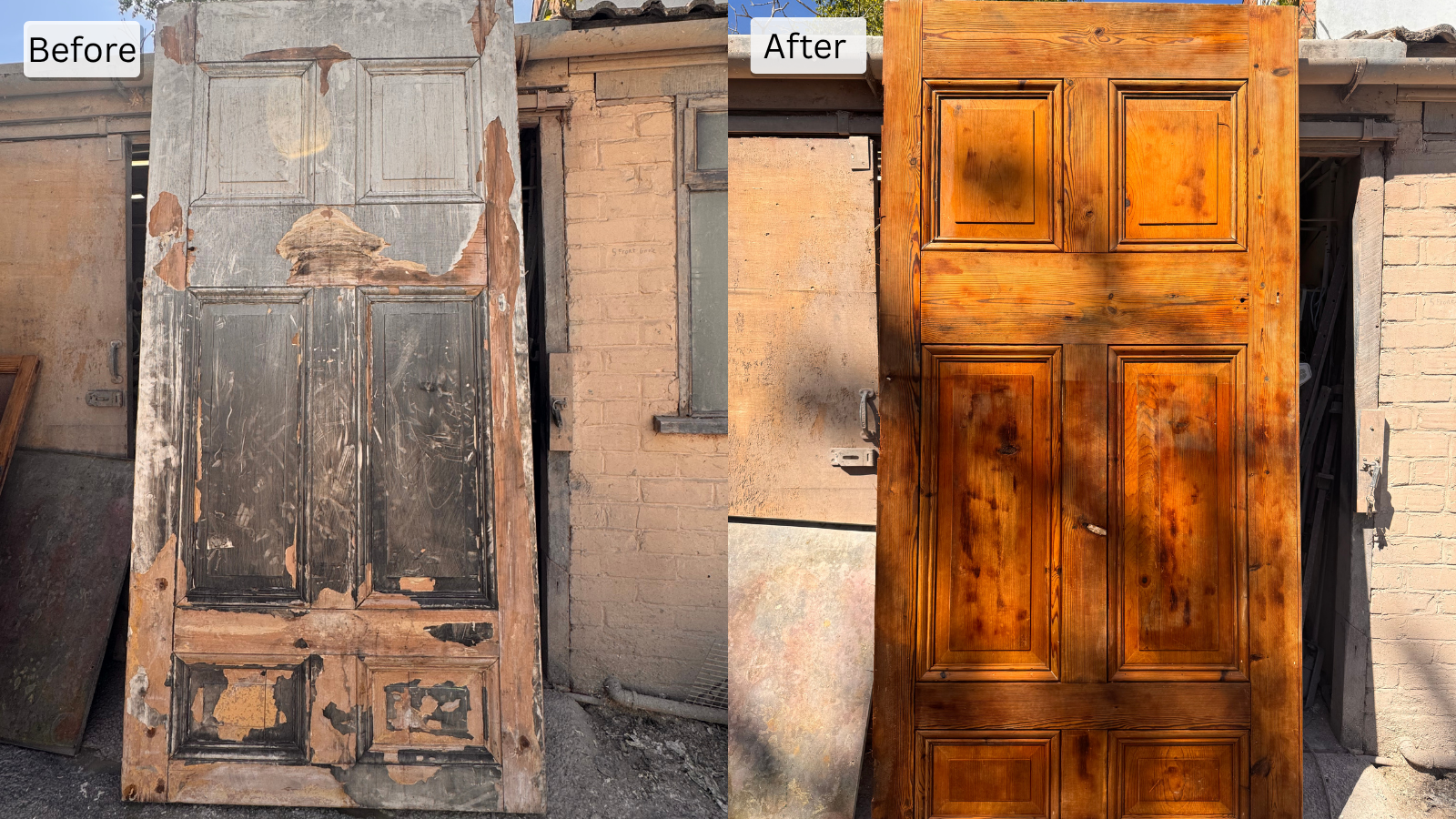
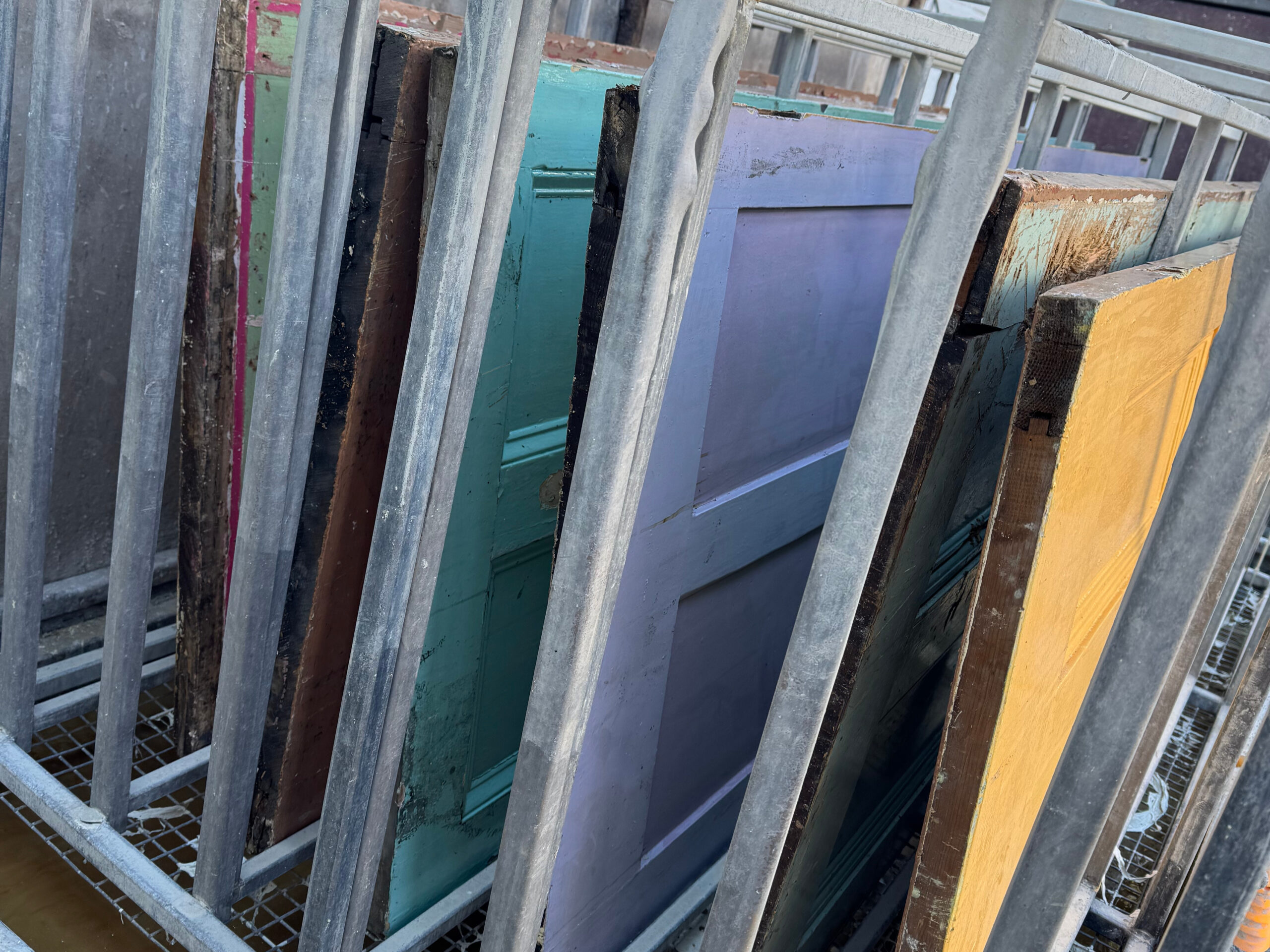
Old doors can hide years of gloss, undercoat, varnish, stain, filler and decorating mistakes. Our job is to remove those built-up layers and give you a clean starting point for restoration.
We work on traditional internal doors, exterior doors, old pine doors, four-panel doors, Victorian and Edwardian doors, reclaimed doors, cupboard doors and other solid timber doors.
Every door is assessed before work starts. Some doors are suitable for the tank, some are better hand stripped, and some modern or veneered doors should not be dipped at all. We will advise honestly before you commit.
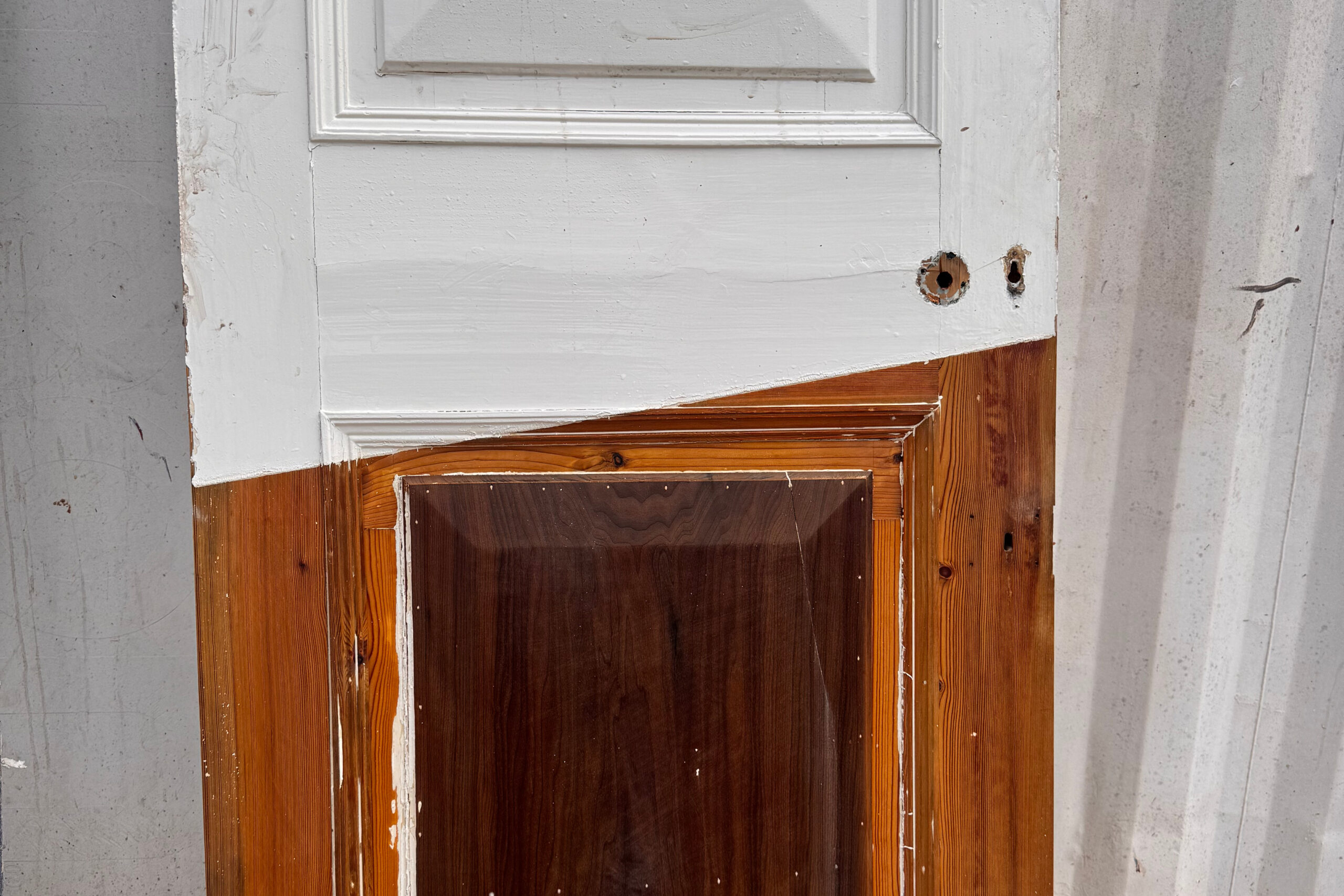
From thick painted doors to freshly stripped pine, this section shows the transformation from tired, heavily coated doors to clean timber ready for drying, sanding and finishing.
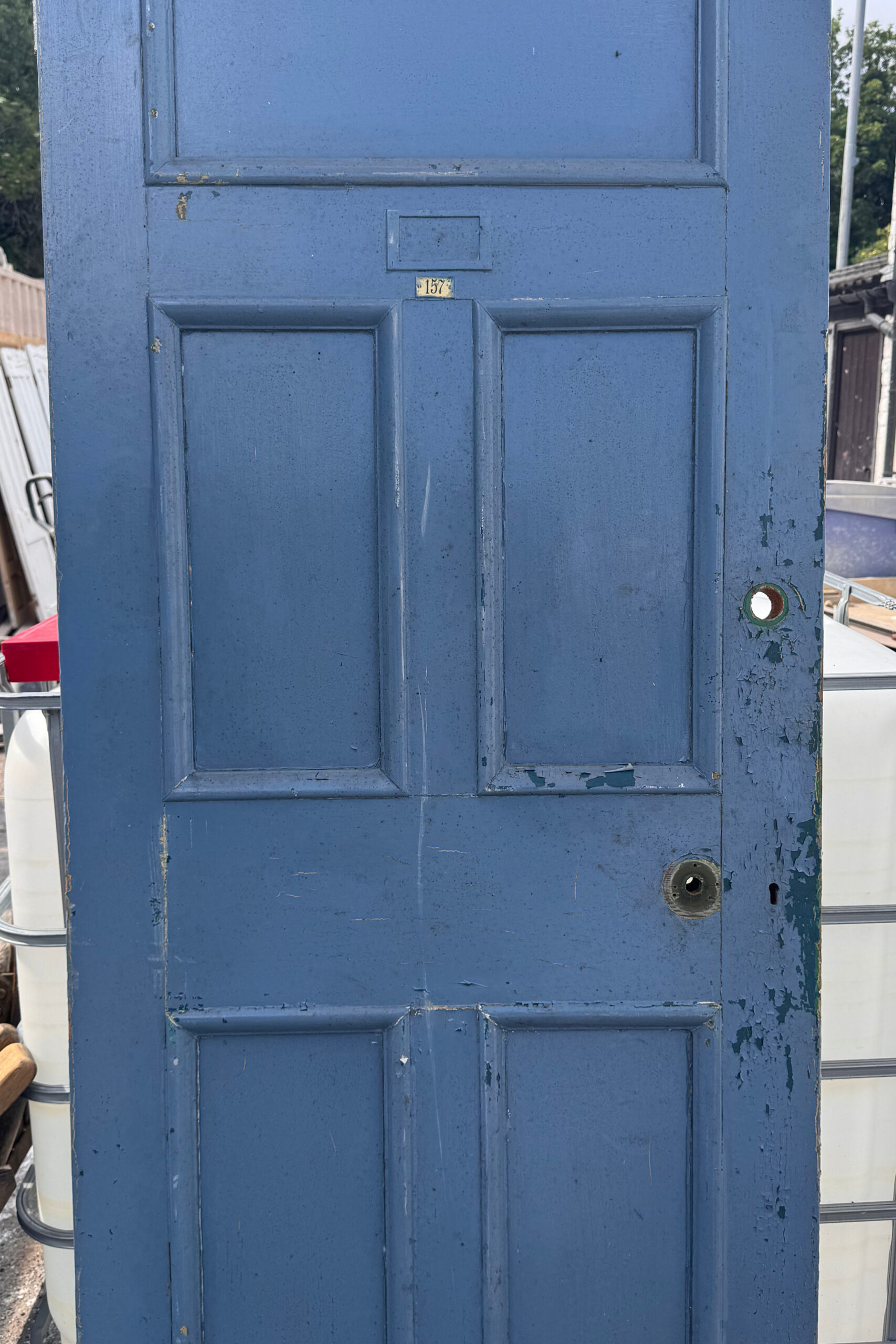
Before stripping
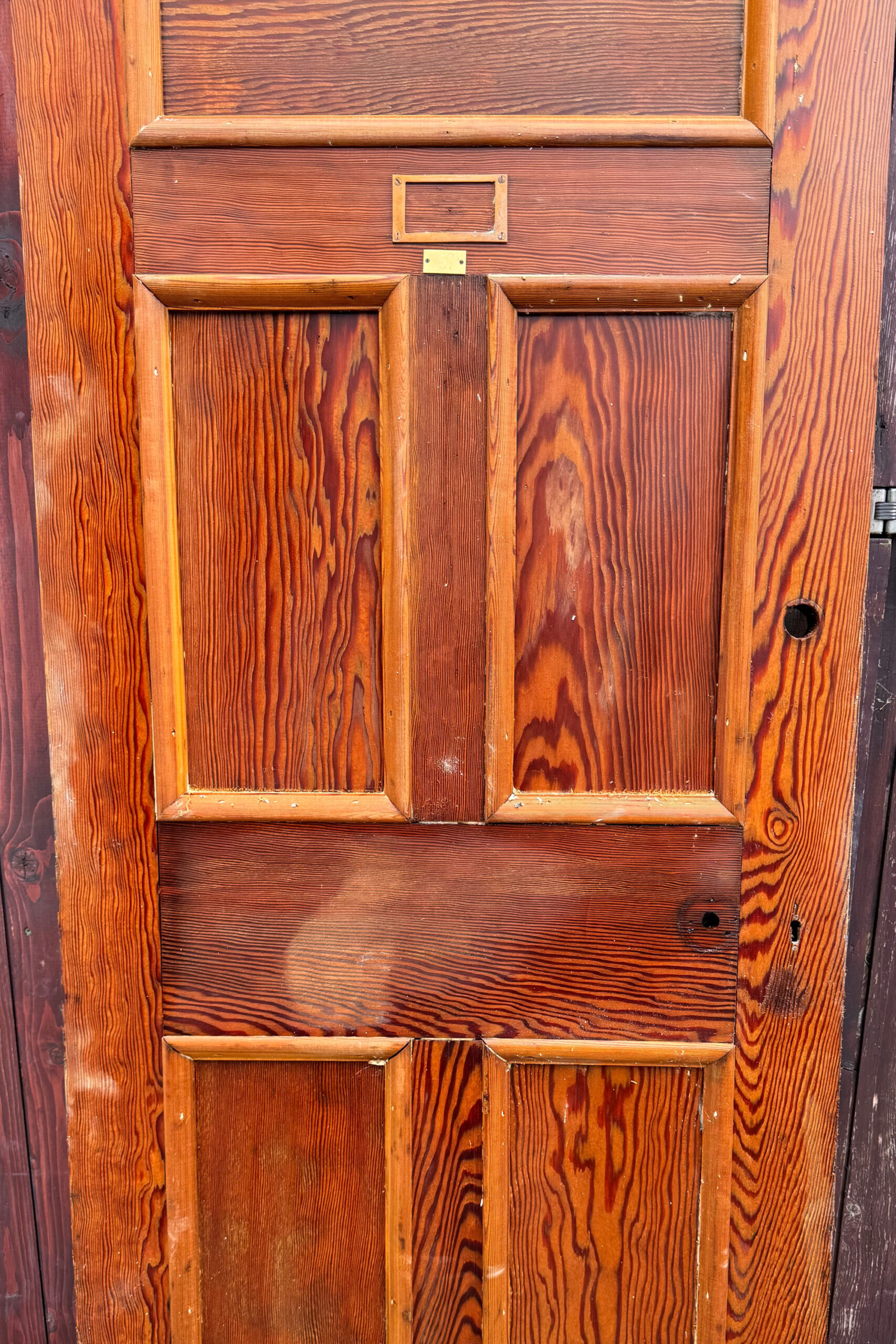
Freshly stripped door
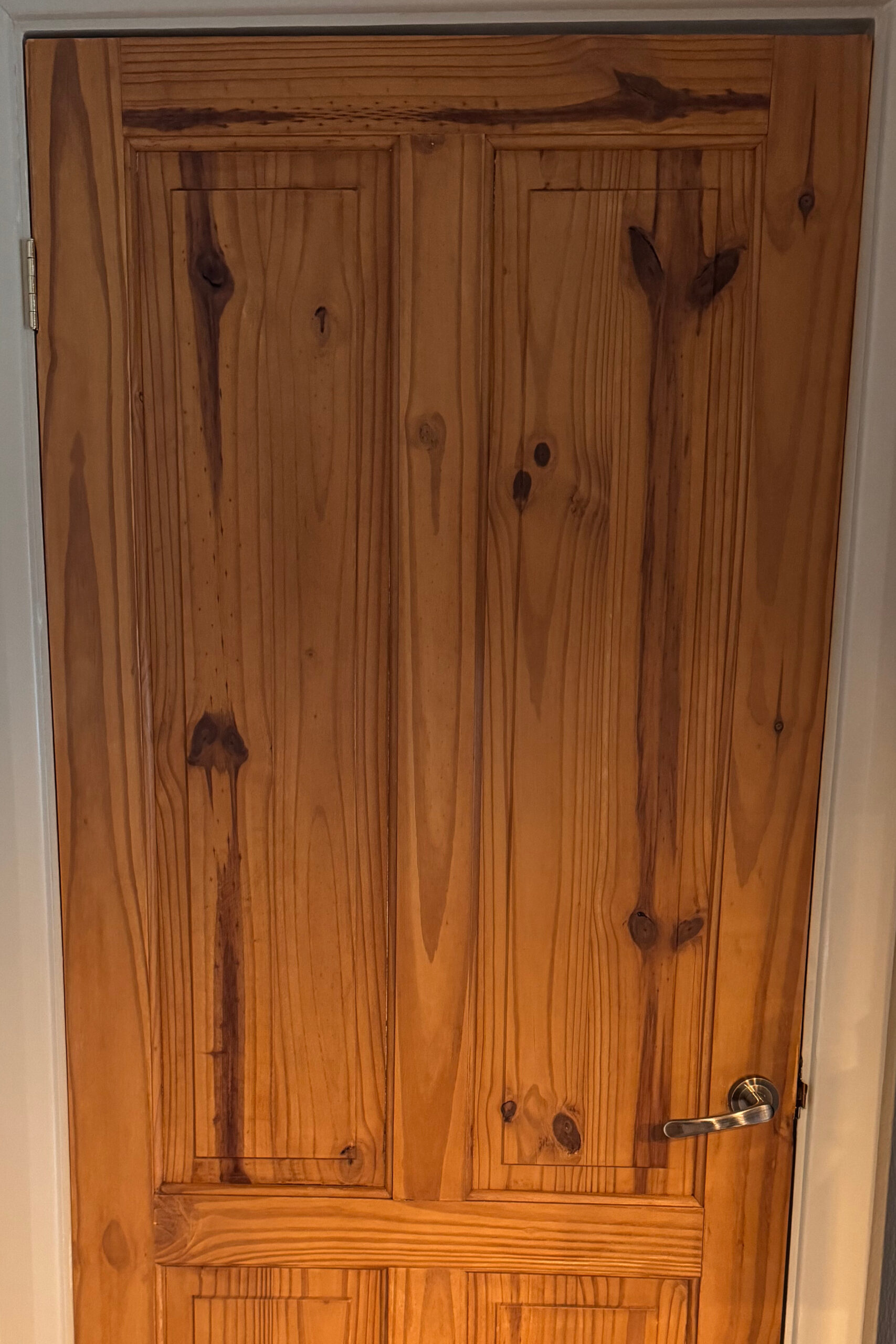
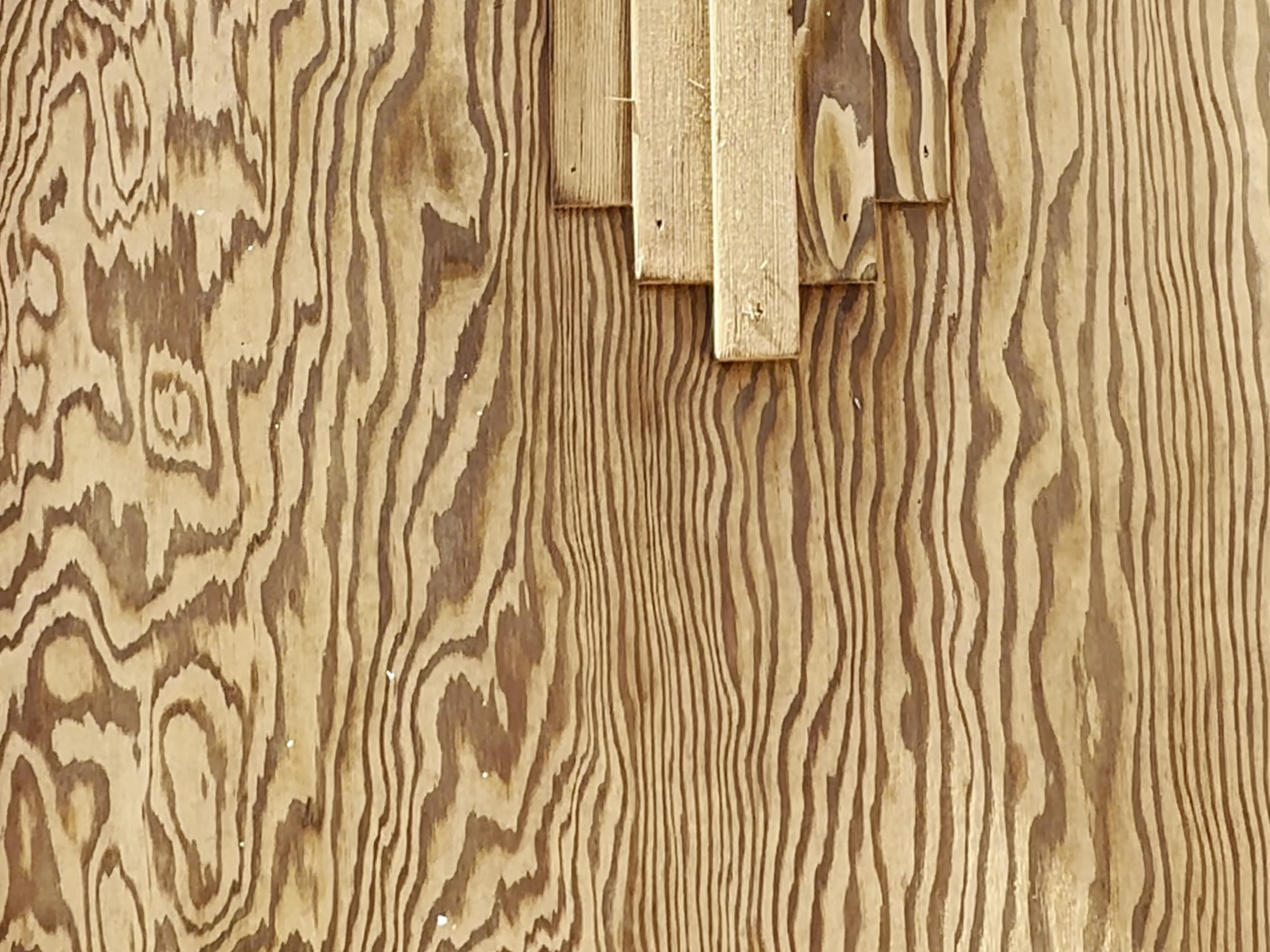
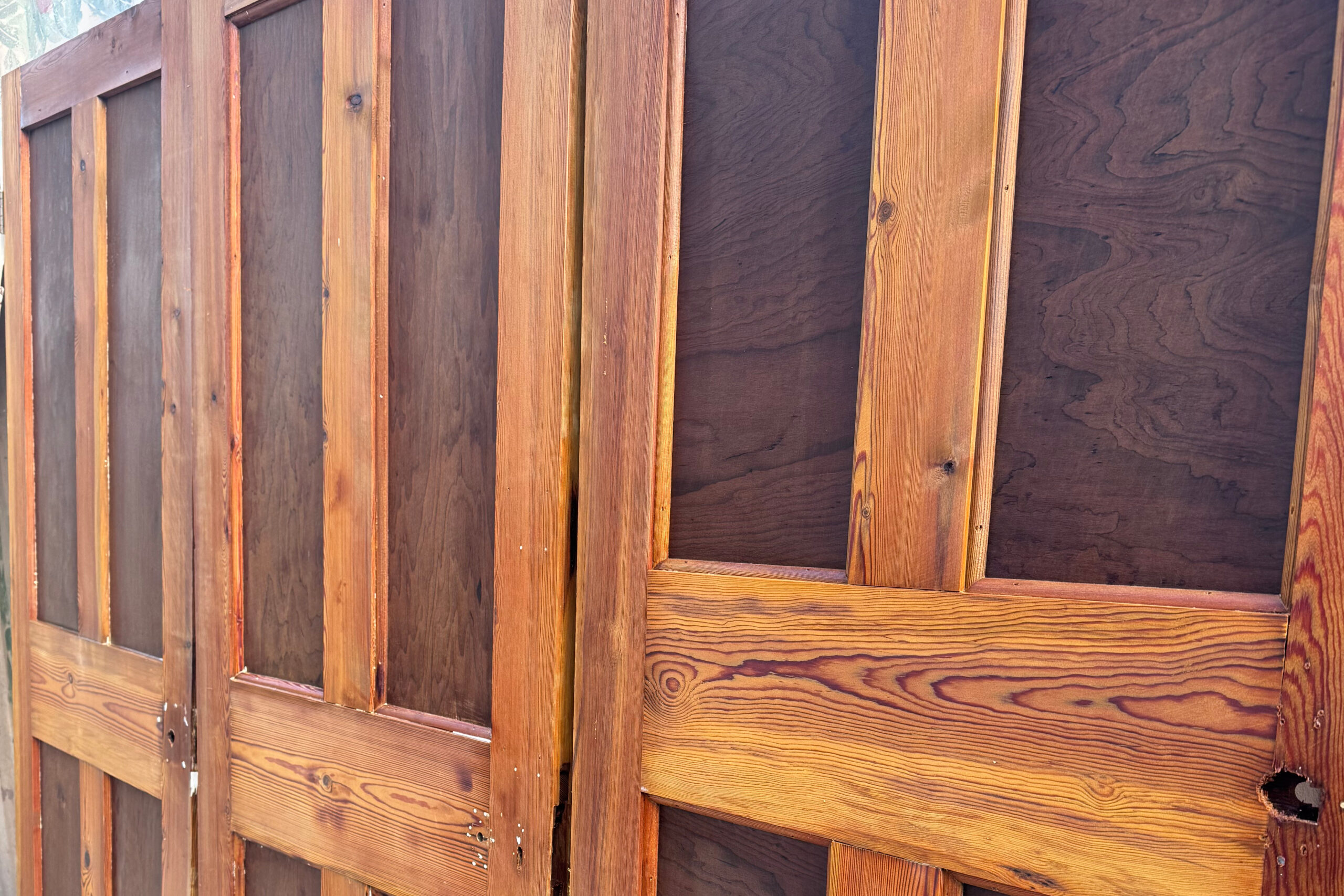
Natural pine revealed
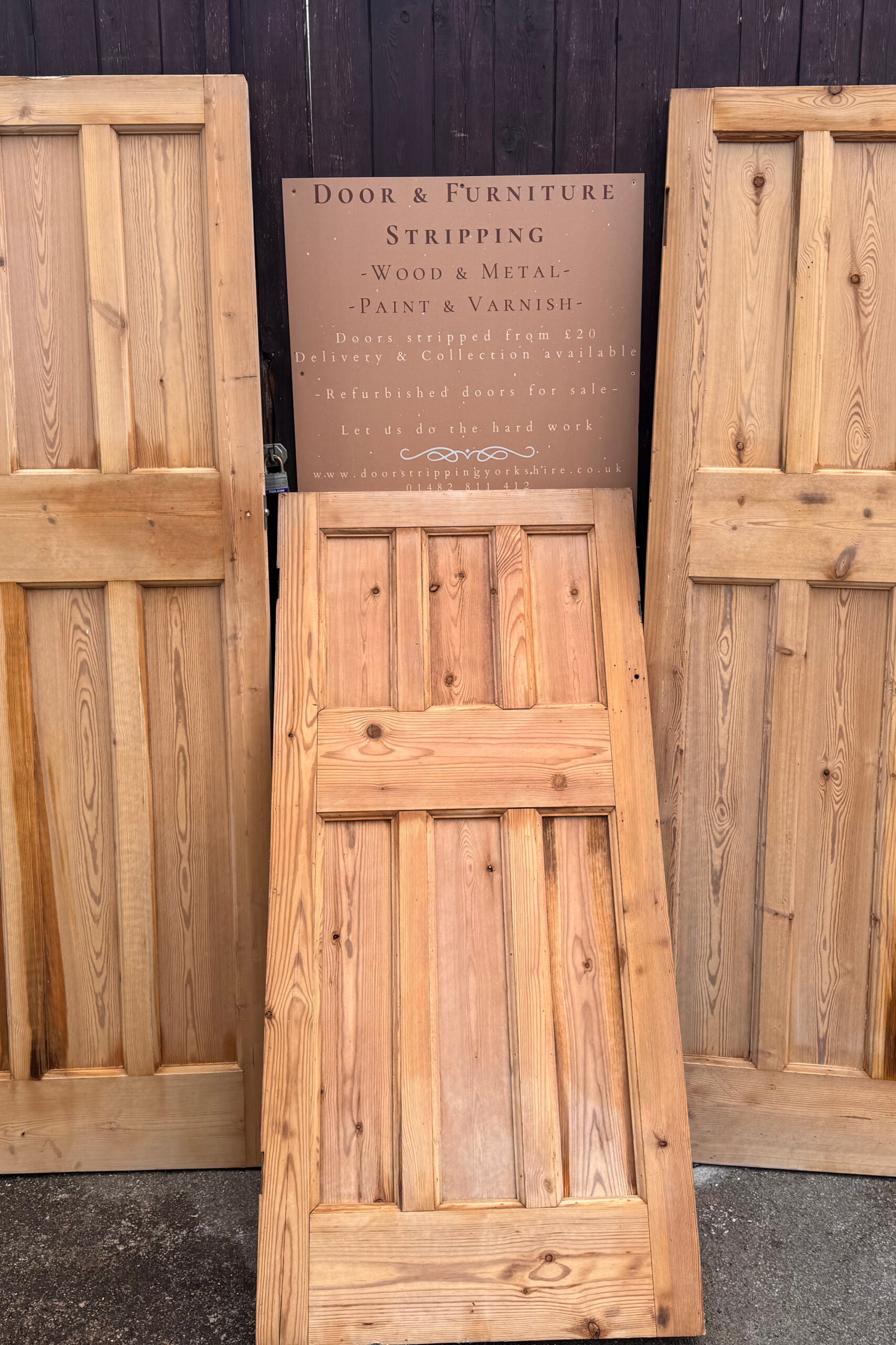
Full house projects
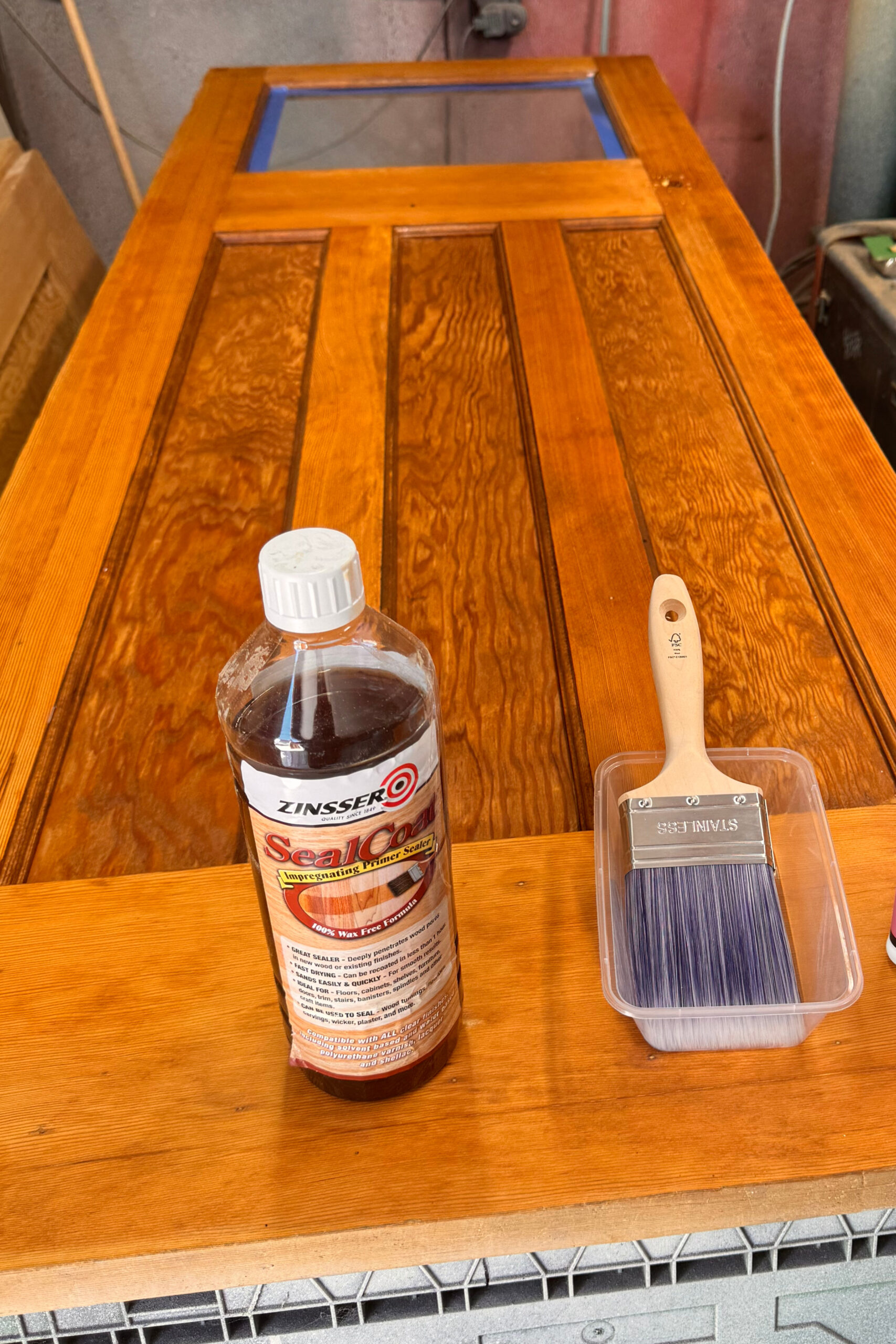
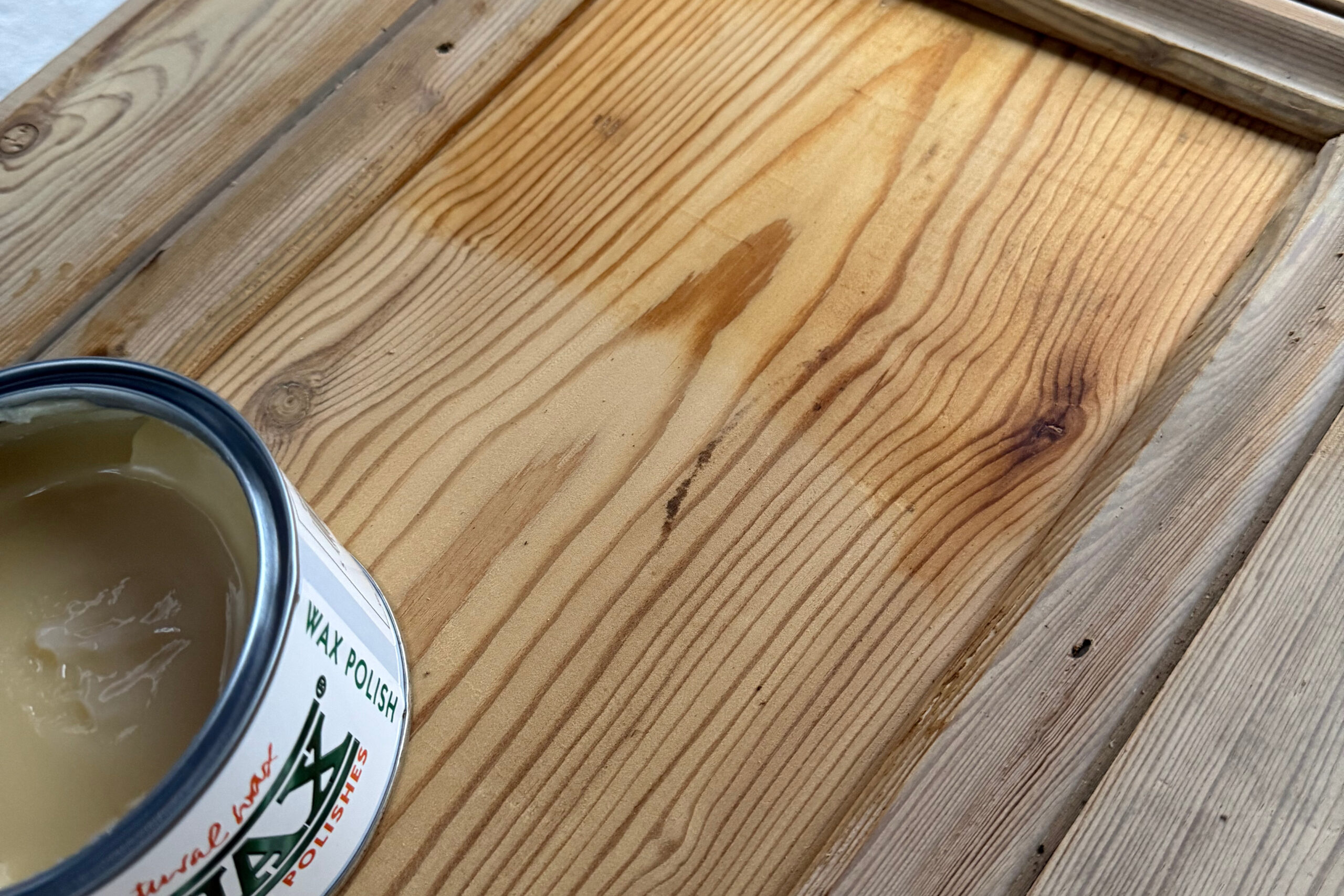
Sanding & waxing
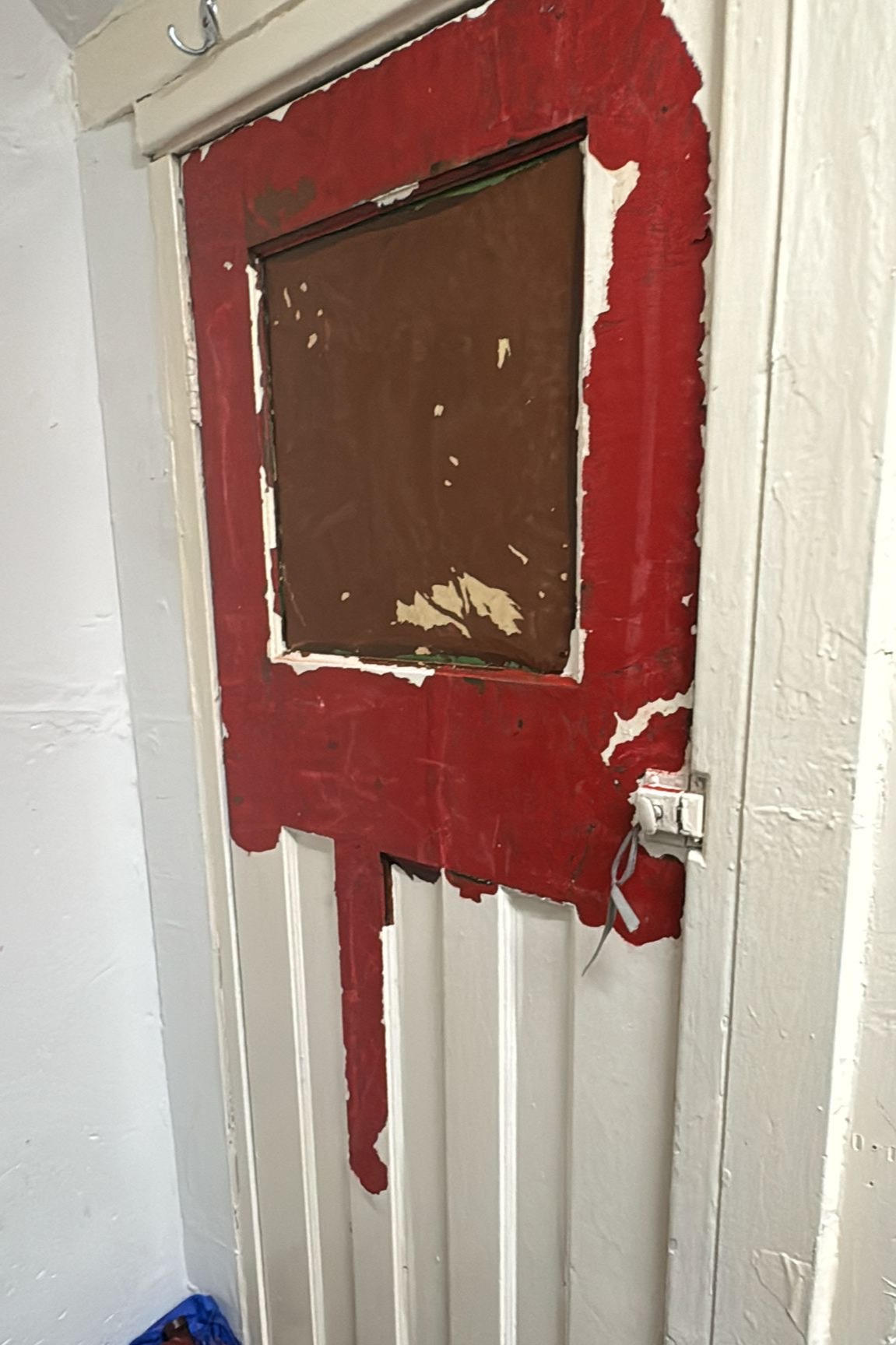
Before stripping
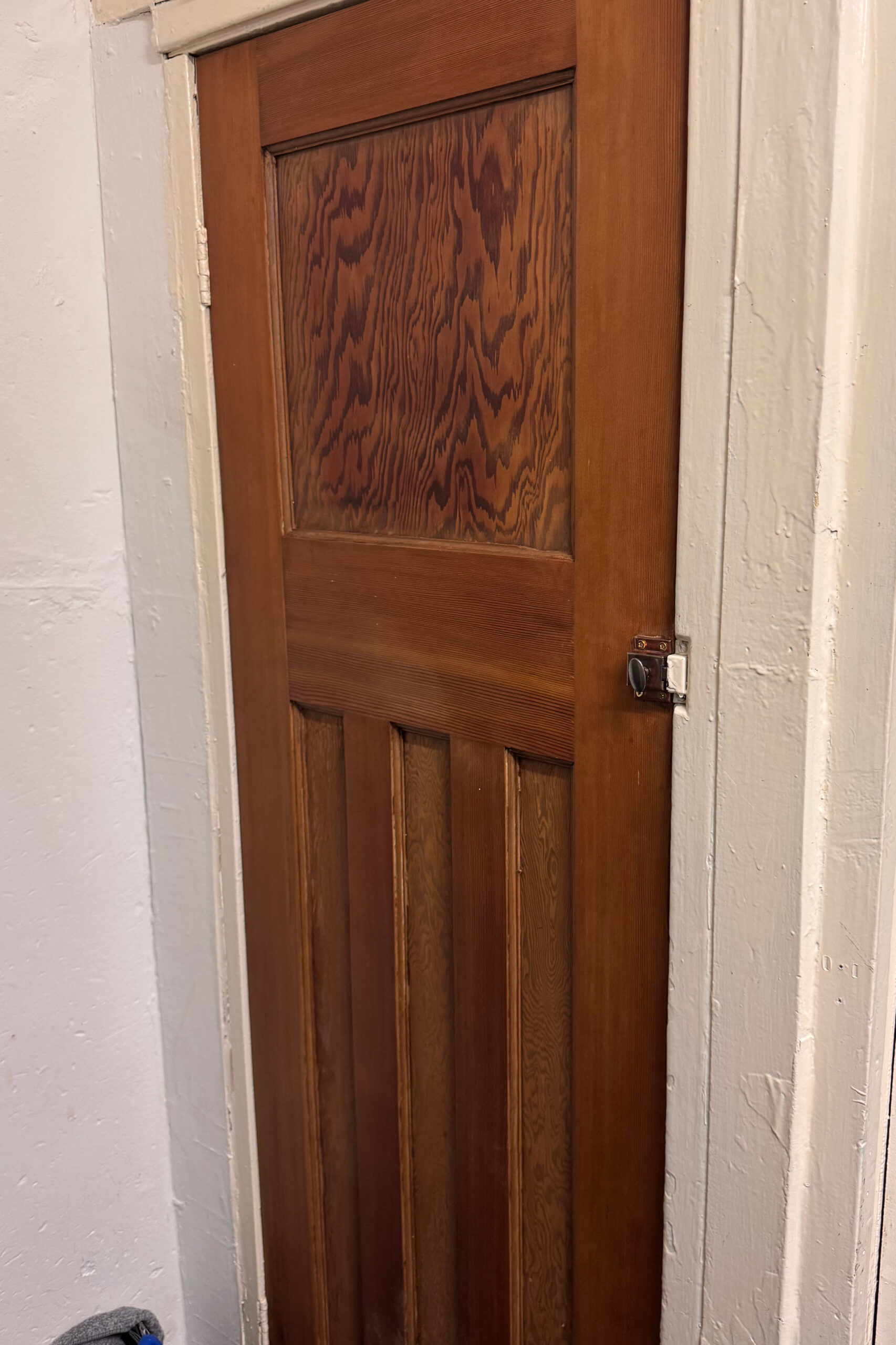
Freshly stripped door
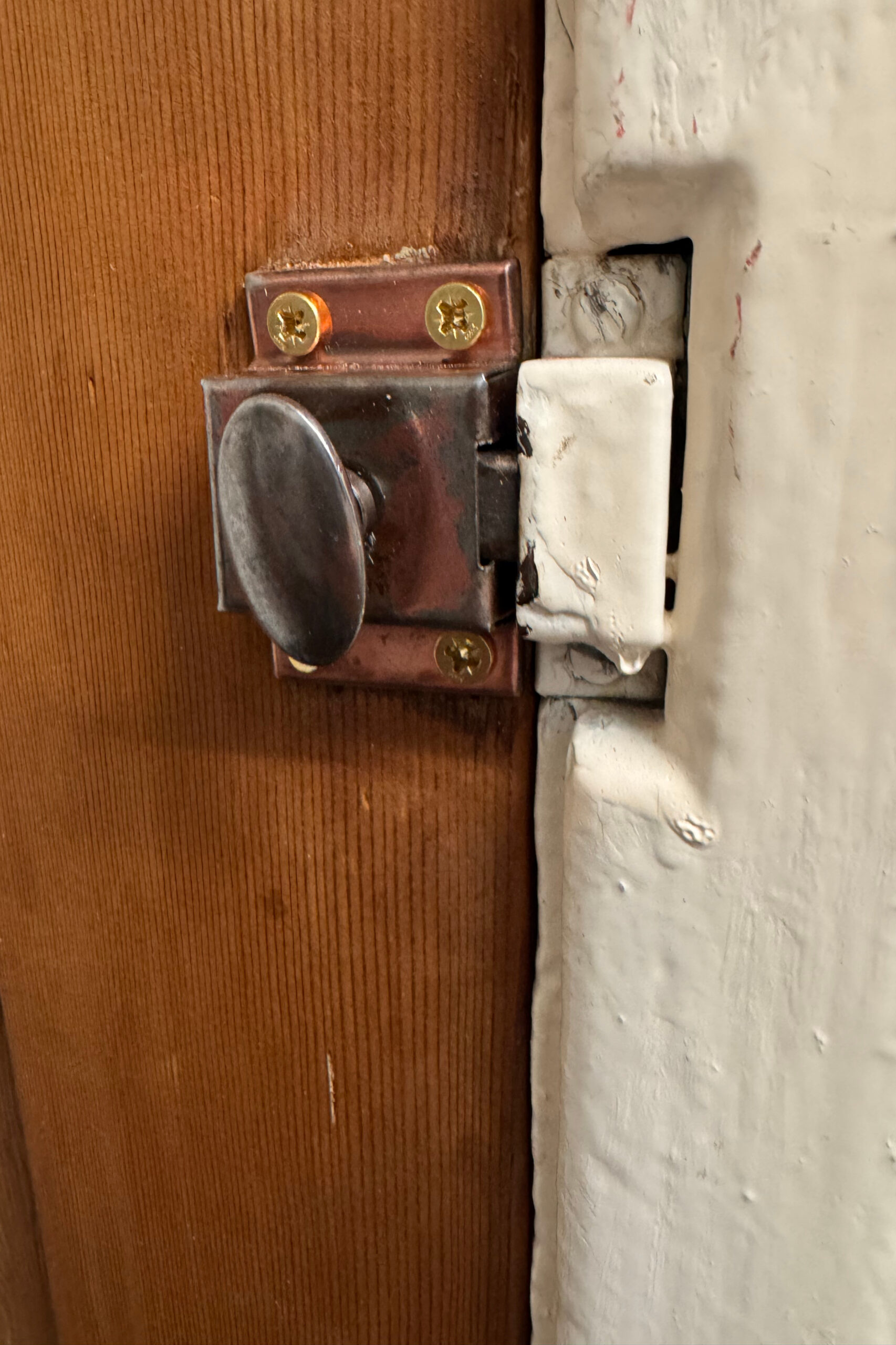
Natural pine revealed
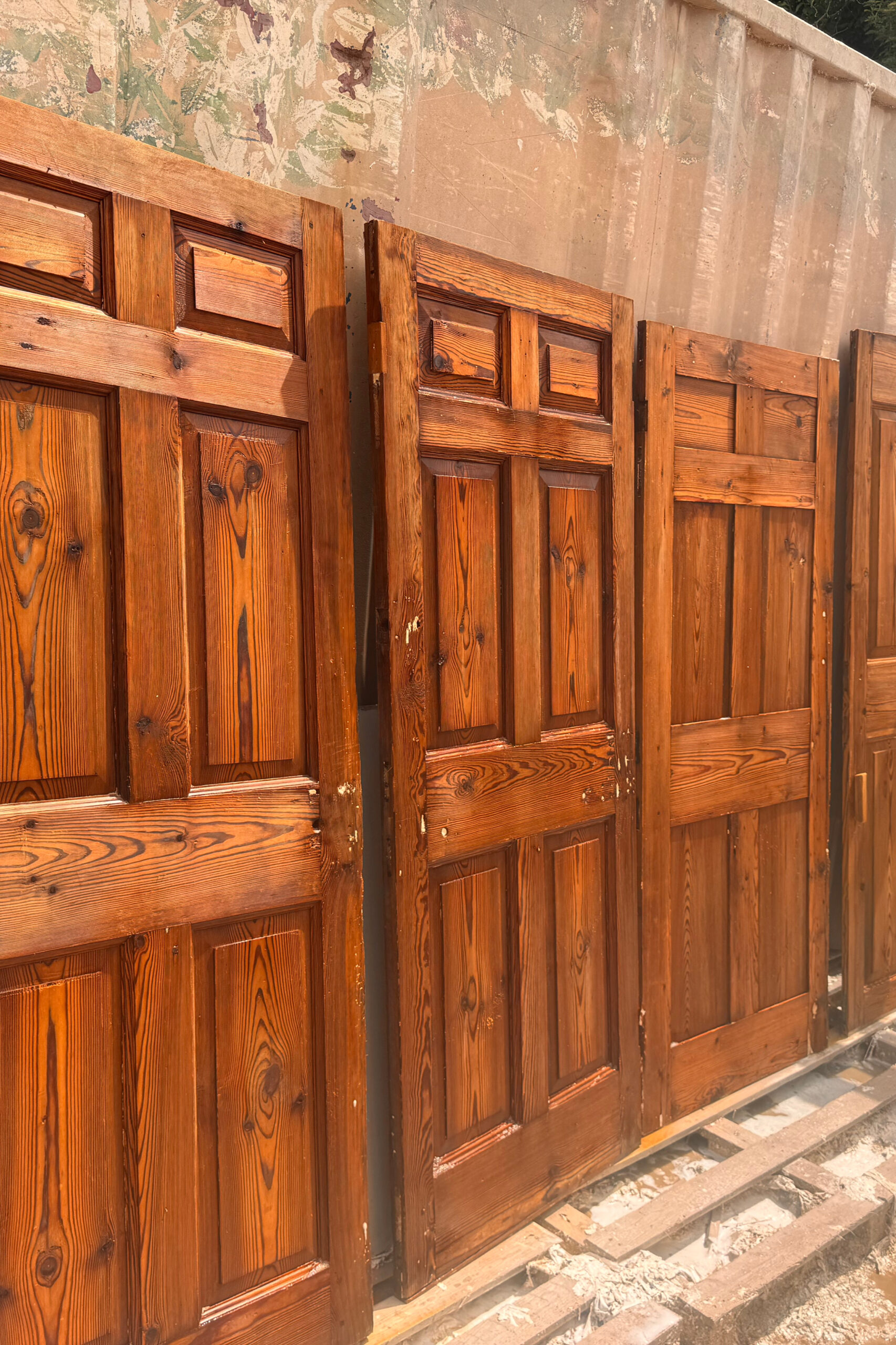
Full house projects
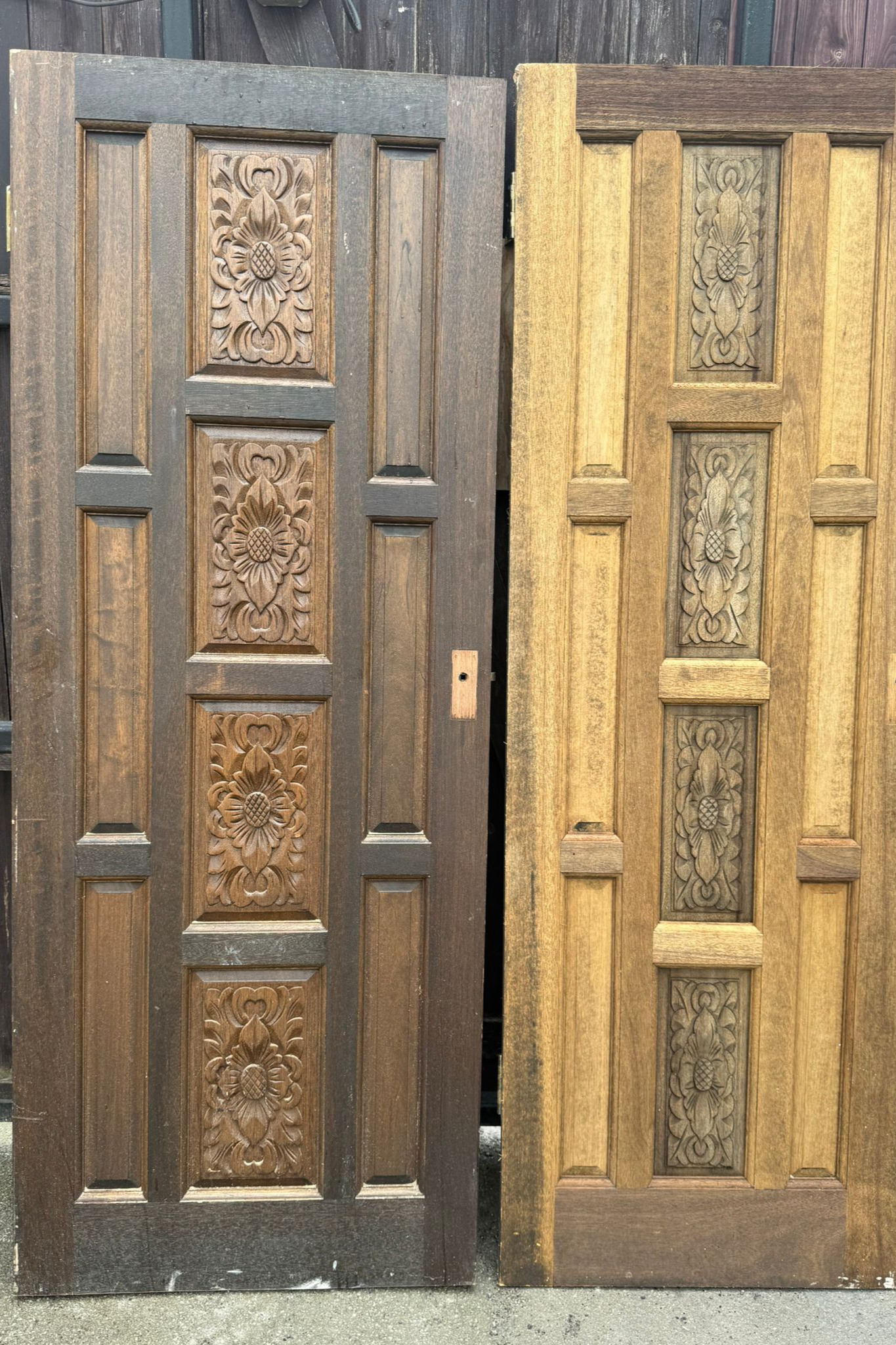
Sanding & waxing
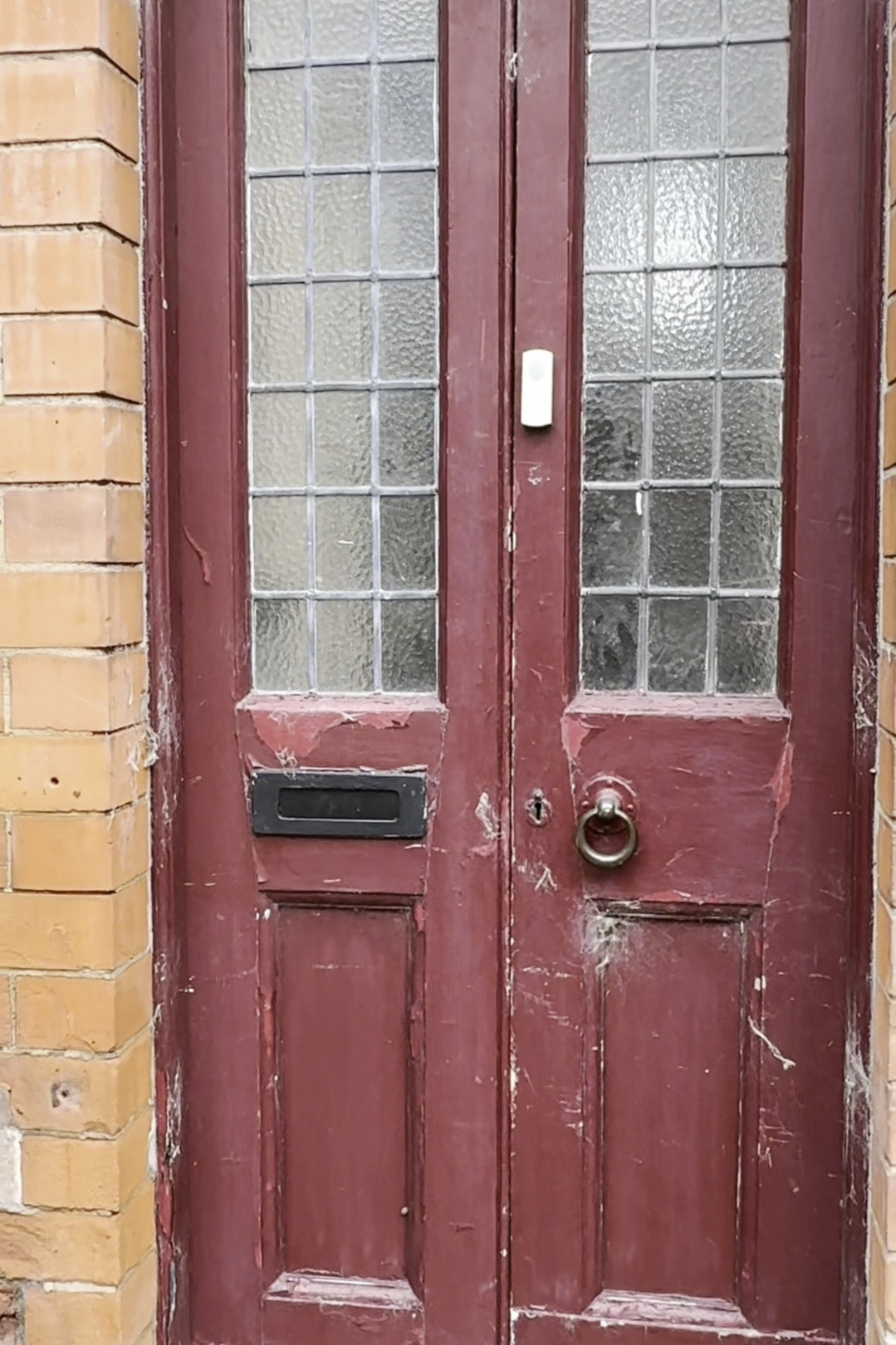
Ideal for doors covered in old gloss, undercoat, varnish and years of built-up coatings.
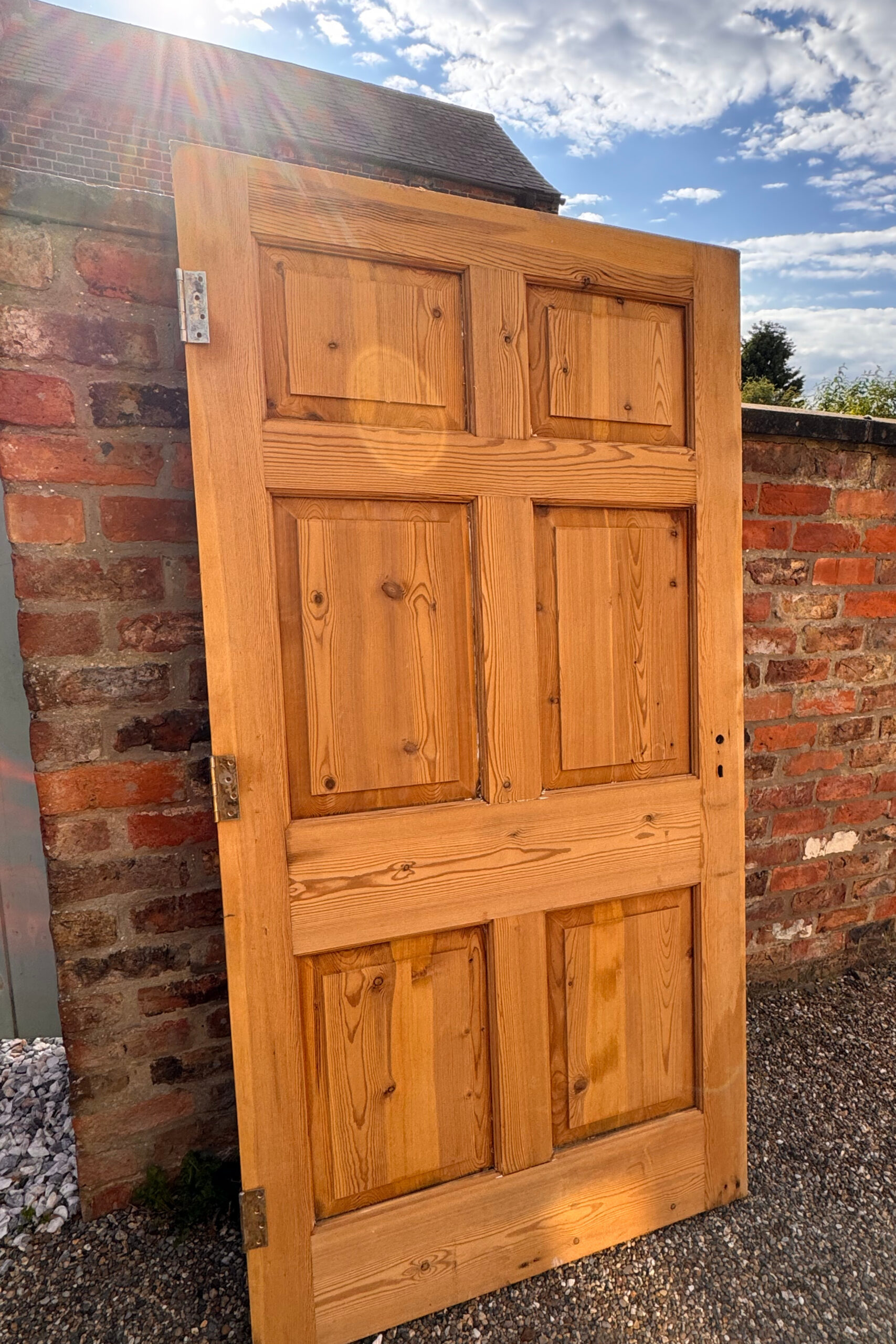
A clean starting point ready for careful drying, sanding and your chosen finish.
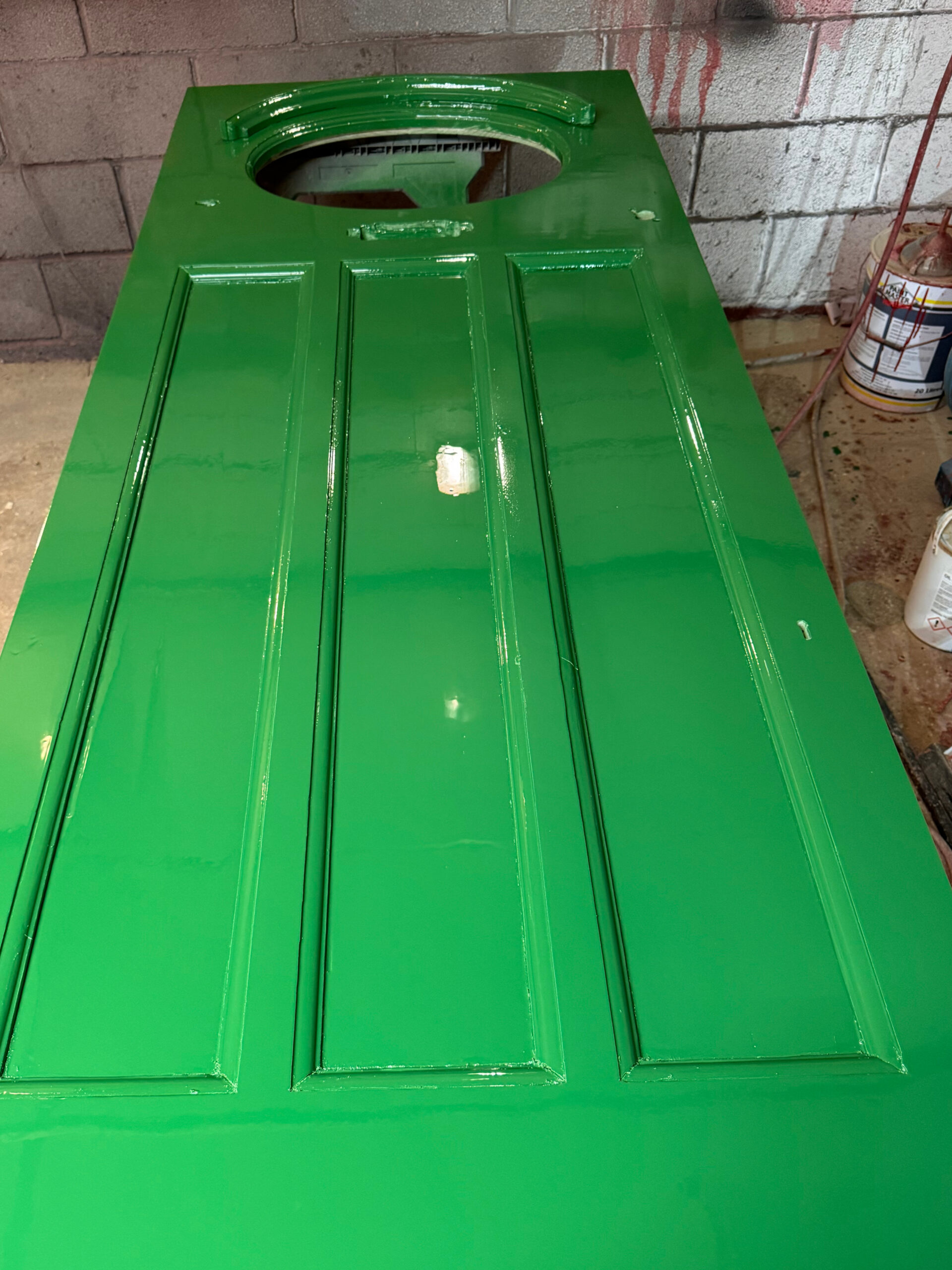
We can also quote separately for sanding and waxing where a more complete finish is required.
We use our experience to choose the right method for each door. Not every door should be dipped, and not every coating behaves the same way.
We check the door type, condition, coating, construction and any obvious issues before starting.
Doors should arrive without handles, locks, glass, hooks or loose fittings wherever possible.
Suitable doors are stripped using our workshop process. Delicate or unsuitable doors may need hand stripping instead.
After stripping, doors are thoroughly rinsed and cleaned to remove chemical residue and loosened paint.
Doors need time to dry naturally after stripping. Good airflow and sensible storage make a big difference.
Small repairs can be quoted where needed, including loose joints, old holes, splits and missing details.
Stripping removes the coating, but sanding is usually needed before painting, waxing or oiling.
You can finish the doors yourself, use your decorator, or ask us about sanding and waxing options.
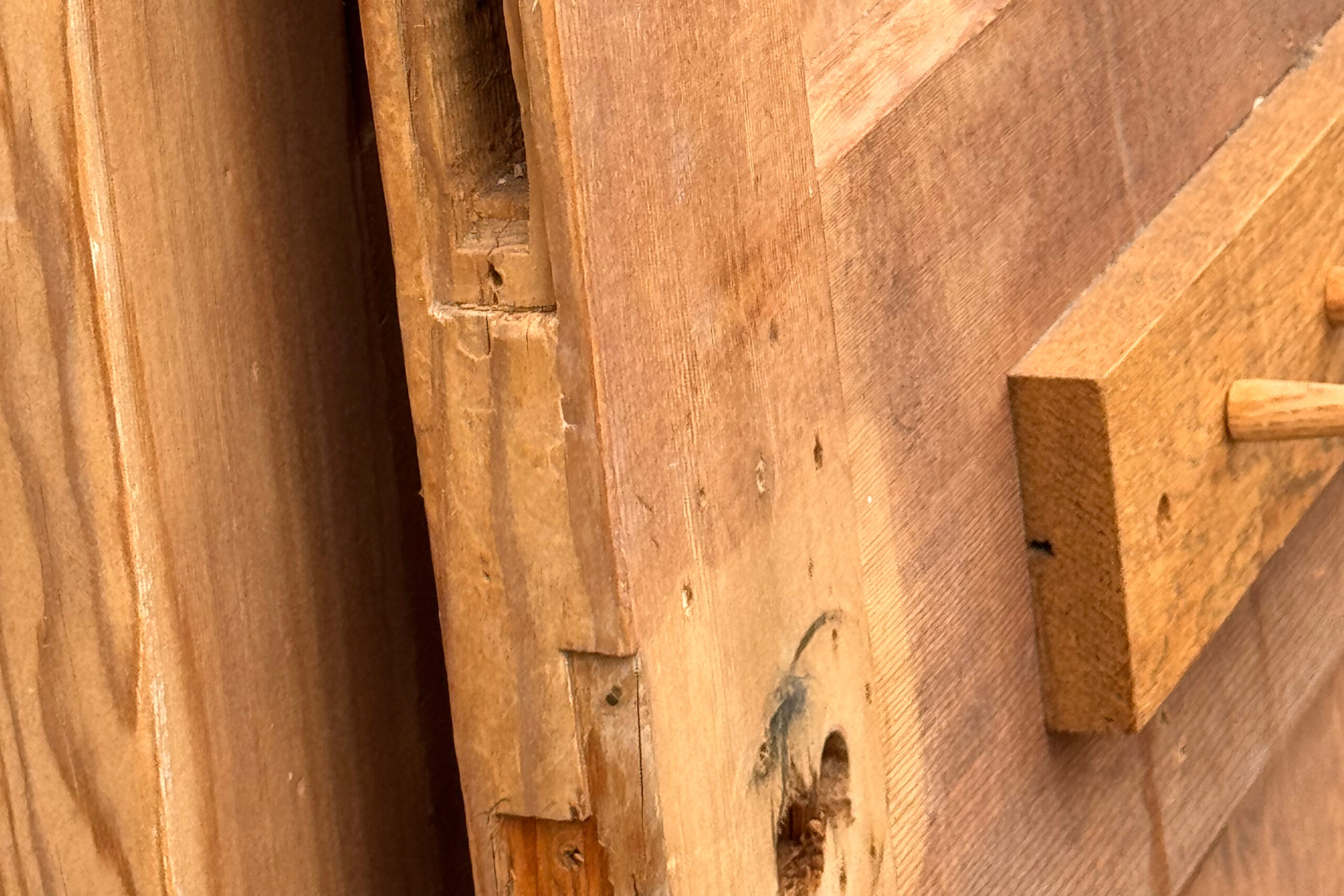
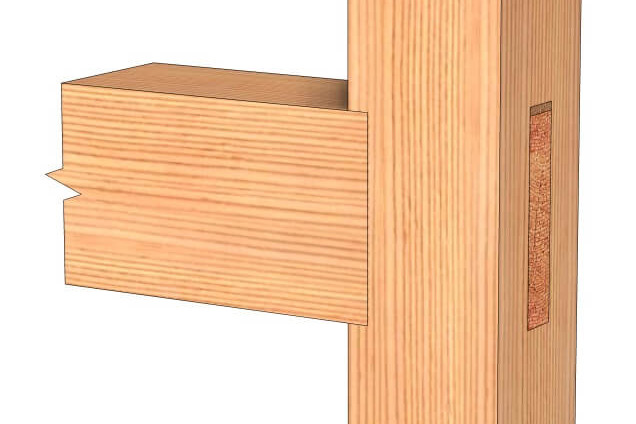
This is one of the biggest worries people have with old doors. The honest answer is that most proper solid timber doors come through the process well, but condition and construction matter.
Traditional panel doors are usually built with mechanical joinery, such as rails, stiles, panels, wedges and mortice-and-tenon construction. They are not simply held together by modern glue alone. That is why many old doors can be stripped successfully without falling apart.
Problems usually happen when a door was already weak, badly repaired, rotten, heavily filled, previously water damaged, made from unsuitable material, or built with adhesives and veneers that do not tolerate moisture or chemical stripping.
We do not pretend there is zero risk. Wood is a natural material and every old door has its own history. What we do is assess the door, choose the safest method, rinse thoroughly, avoid unnecessary harsh handling and give clear aftercare advice.
Once years of paint have been removed, it is common to find old holes, loose joints, splits, missing trim, failed filler or previous repairs. We can quote for small repair work where it makes sense.
Some old doors have joints that are already loose under the paint. Where suitable, we can reglue, clamp and tighten joints after stripping.
Old latch holes, screw holes, handle marks and unwanted fittings can often be filled, plugged or tidied ready for sanding and finishing.
Minor splits, open cracks and failed filler can often be cleaned out and repaired. Larger structural repairs are quoted separately.
Loose beads, trims and decorative mouldings may be secured or replaced where practical, depending on the door and the detail.
Stripping can reveal filler, patching and old bodges. We can advise what should be left, removed, replaced or sanded back.
For customers wanting a more complete finish, we can quote for sanding and waxing after the door has dried properly.
Repairs are not automatically included in standard door stripping. We will advise and quote separately where repair work is needed.
Door restoration is not just about removing paint. It is about revealing the timber underneath, understanding the door’s construction, and giving you a proper base for the next stage of your project.
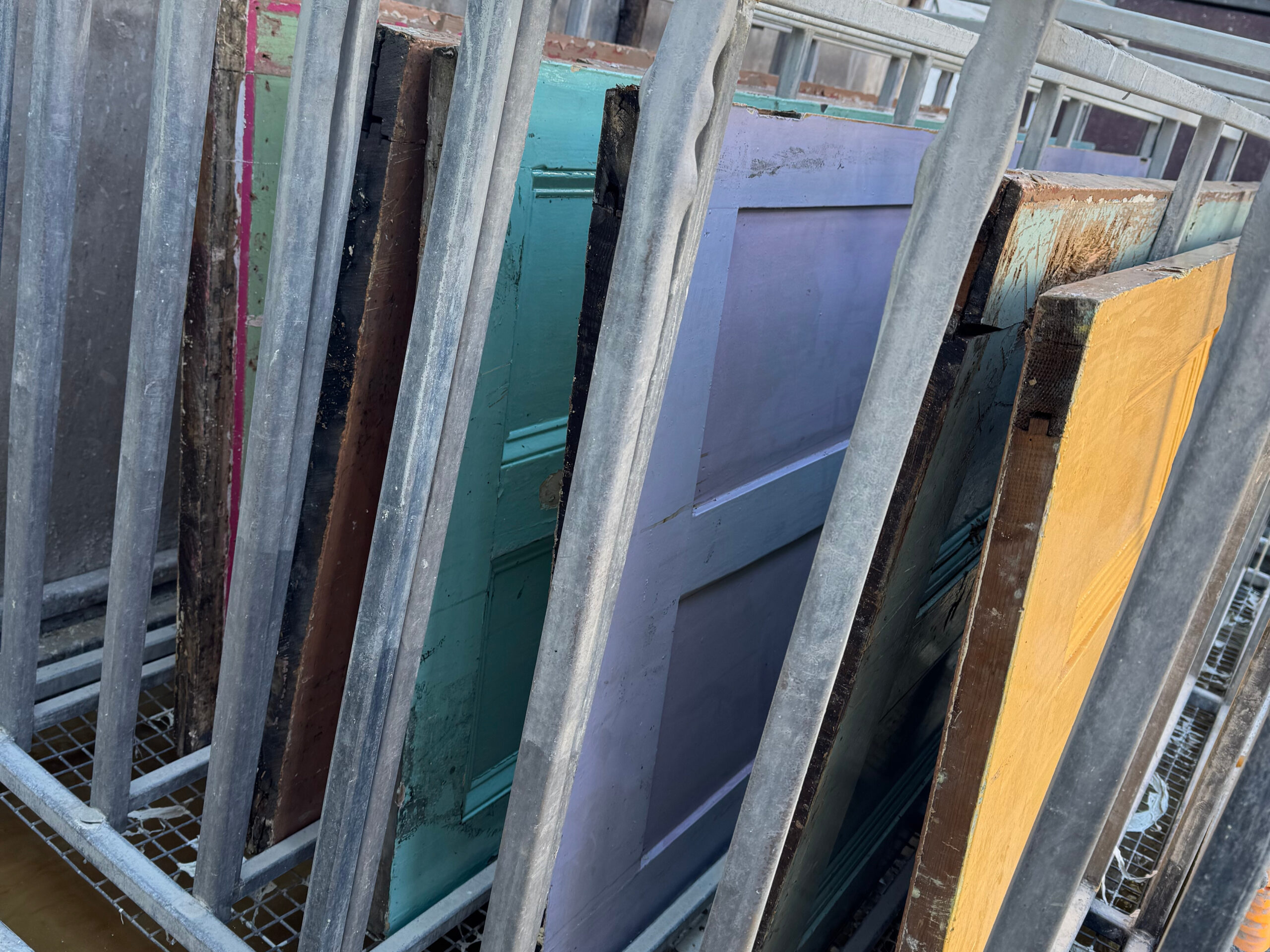
Workshop batches
Panel detail
Paint removal
Sanded finish
Waxed door
Workshop batches
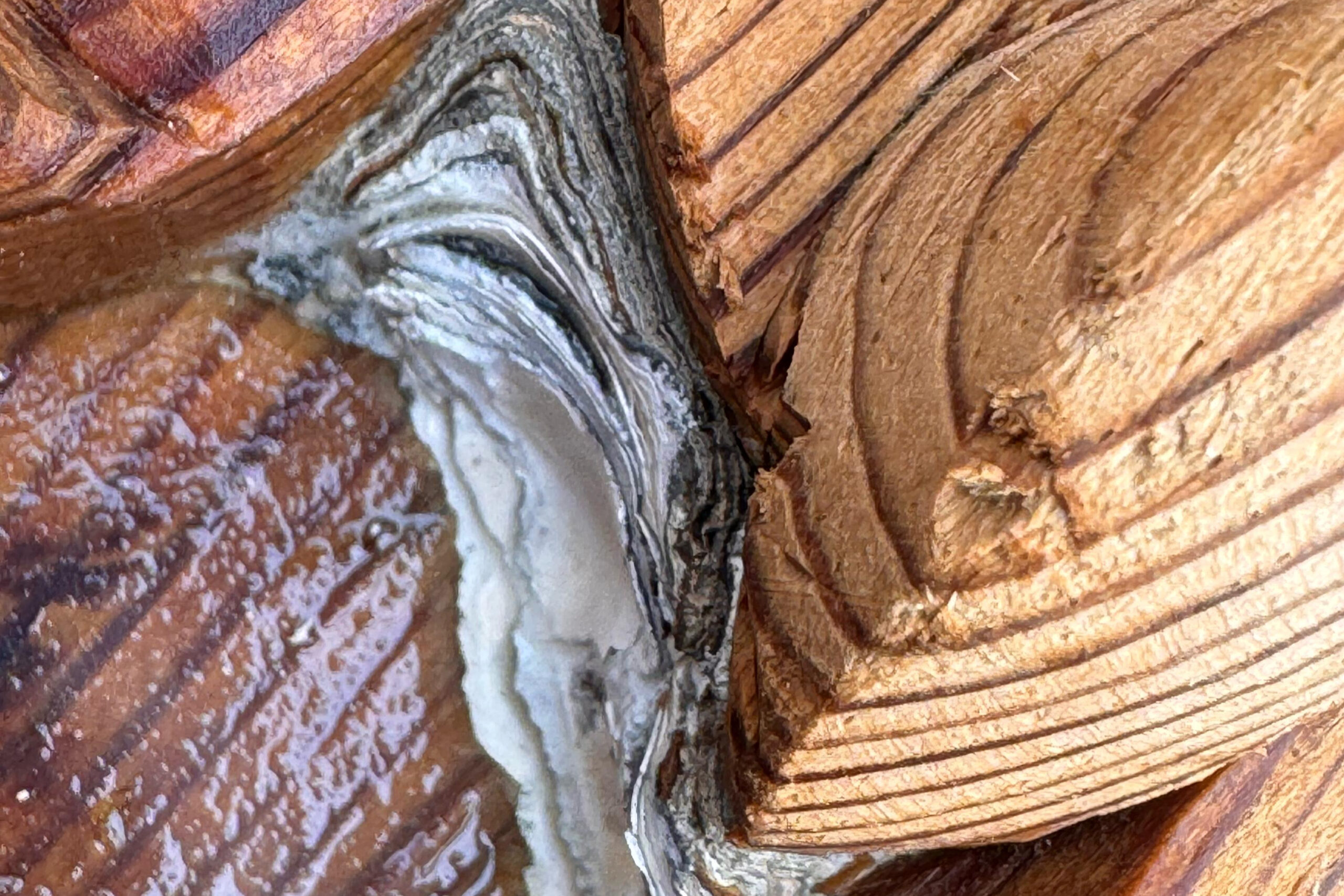
Panel detail
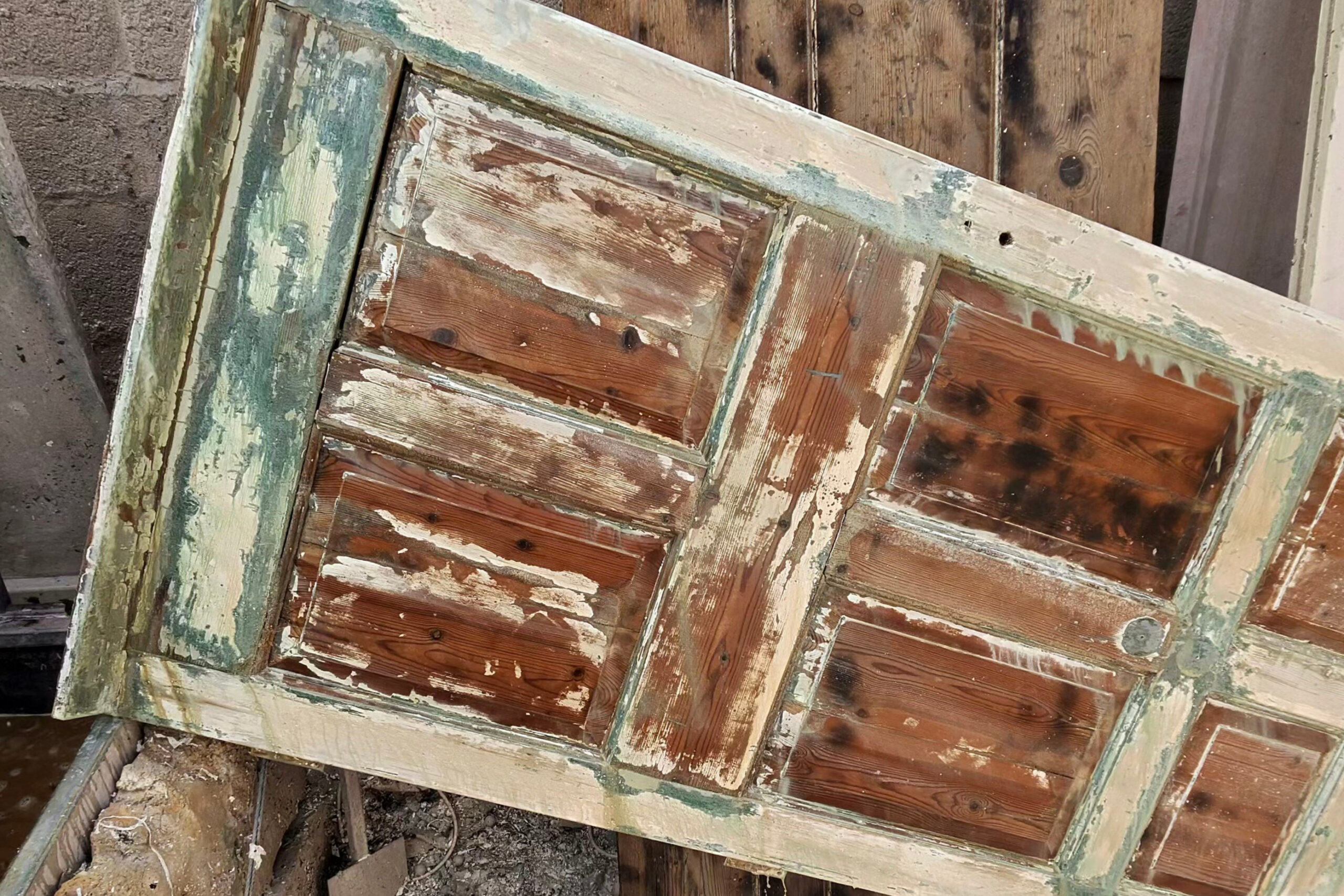
Paint removal
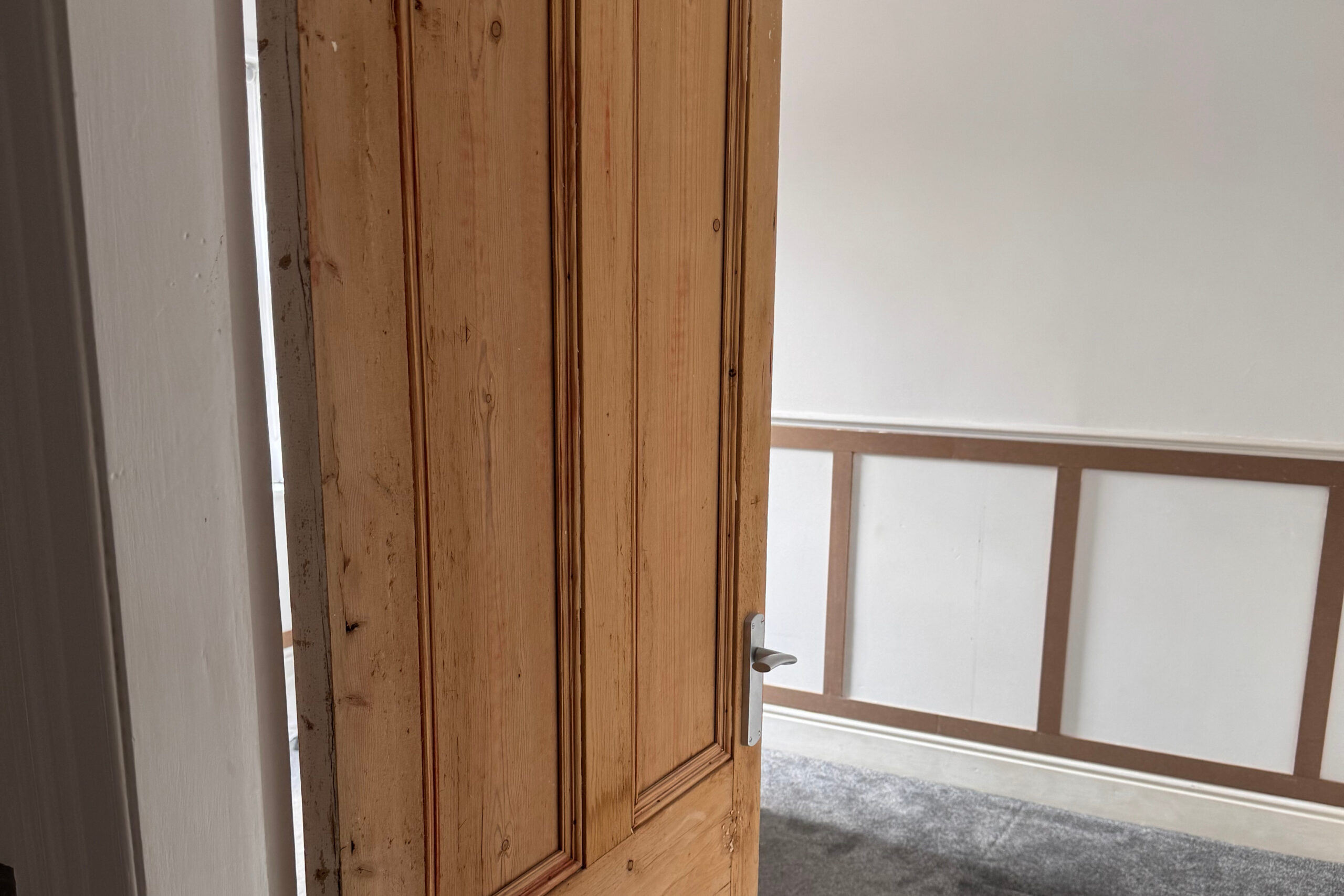
Sanded finish
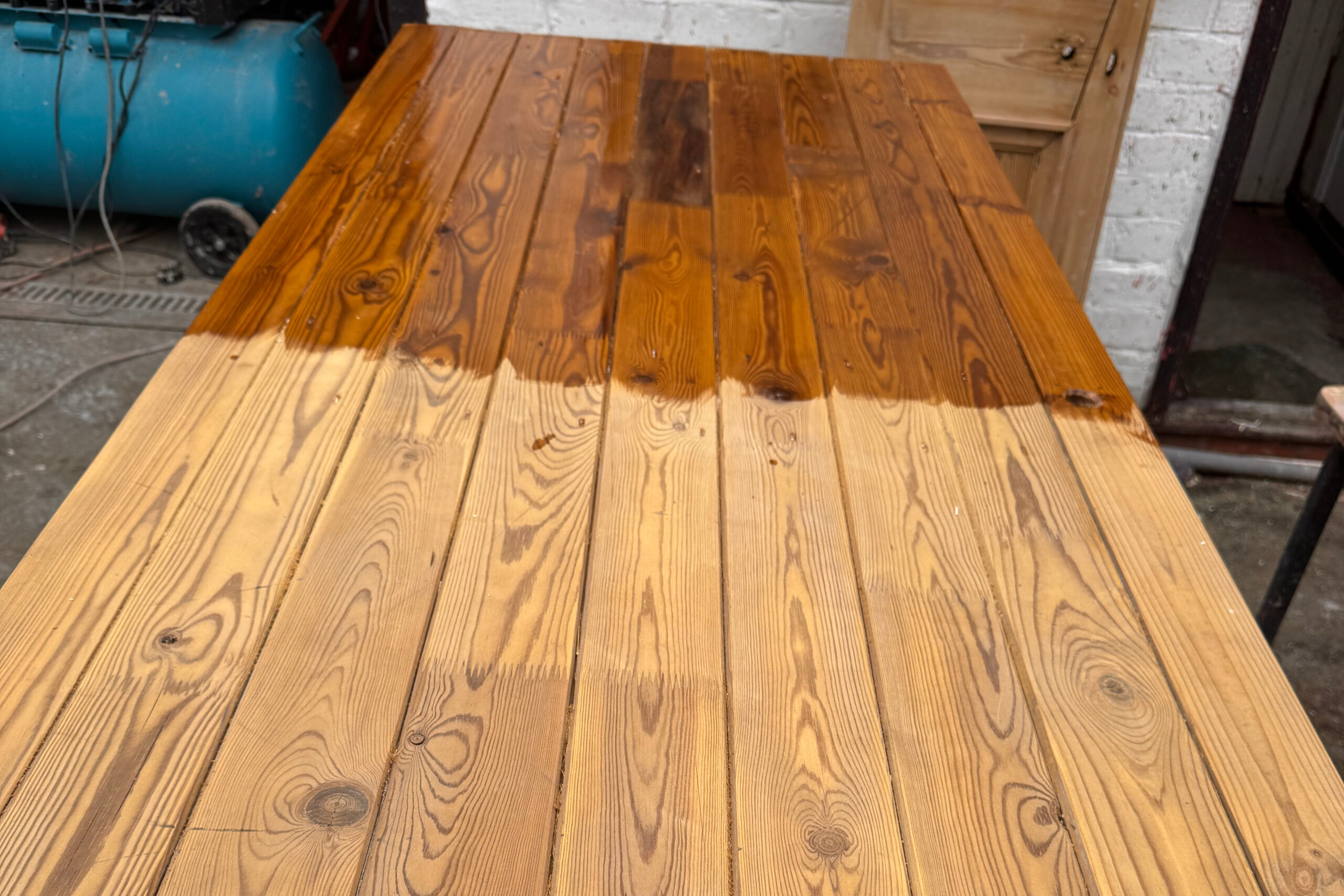
Waxed door
These are popular door services. For the full current price list, oversized doors, delivery and specialist work, visit the pricing page.
Standard internal doors suitable for stripping.
External doors usually need more care and preparation.
For doors or coatings that are not suitable for dipping.
Useful after drying and before finishing.
A more complete finish using wax after preparation.
Oversized doors, water-based paint, repairs, delivery, refitting, specialist coatings and unusual construction can affect the final price.
Stripping removes the old finish. It does not turn the door into a finished product on its own. Drying, sanding and finishing are what make the final result.
Doors should be allowed to dry naturally with good airflow. Avoid leaning them at sharp angles or putting them against direct heat.
The grain may raise after stripping. A light sand once fully dry gives a better surface for paint, wax, oil or varnish.
Bare wood should be sealed, painted, waxed or oiled once dry. Leaving doors unfinished for too long can lead to dirt, marks or movement.
No. Solid timber doors are usually the best candidates. MDF, chipboard, laminate, hollow-core, very thin veneer and some modern doors are not suitable for dipping. We will advise from photos where possible.
Most proper solid timber doors come through the process well, but no restoration process is completely risk free. Traditional doors are often mechanically jointed, which helps, but weak joints, old glue, rot, water damage or poor repairs may be revealed once the paint is removed.
Yes. Remove handles, locks, latches, hooks, letterboxes, glass, mirrors and loose fittings before collection or drop-off. Anything left on the door is at risk of damage, staining or loss during stripping.
Standard doors are often turned around in around 5–7 working days, depending on workload, coatings and condition. Larger batches, heavy paint, water-based coatings or repair work can take longer.
No. The door needs to dry properly first, then it will normally need sanding before painting, waxing, oiling or varnishing. Stripping gives you a clean starting point, not a finished surface.
Send photos of both sides, rough measurements, your postcode and whether you need collection or delivery. We will advise on suitability, price and the best method.